

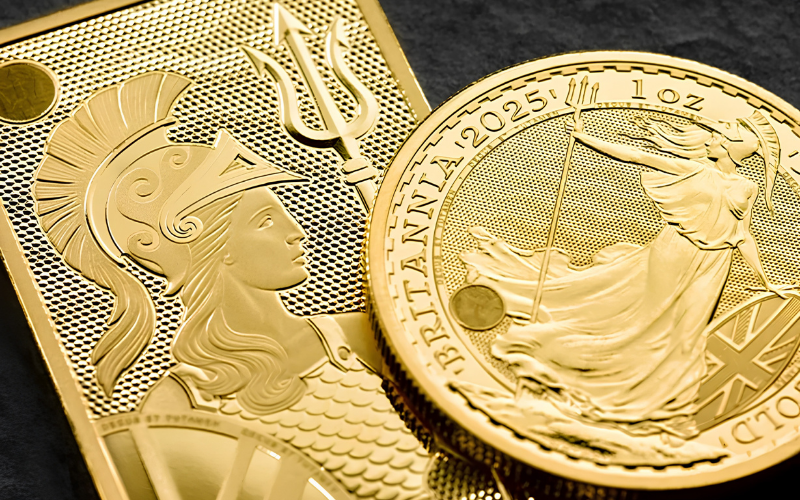
Coin counterfeiting is not a relic of the past. As precious metals values rise and collector demand grows, so does the incentive to produce fraudulent coins. Fortunately, modern minting technology has made it harder than ever for counterfeiters to replicate today’s bullion and numismatic coins. World-class facilities like the British Royal Mint have developed sophisticated security features that protect both the integrity of the coins and the investments of the collectors and bullion buyers who own them.
Why Coin Security Matters for Collectors and Investors
Whether you are stacking silver bullion or building a numismatic collection, authenticity is everything. A counterfeit coin has no precious metal value and no collector value; it is simply worthless. The rise of sophisticated casting and die-pressing techniques has made fake coins more convincing than ever, which is precisely why leading mints have invested heavily in anti-counterfeiting technology. Understanding the security features built into modern coinage is one of the most practical skills a collector or investor can develop.
The British Royal Mint: A Leader in Coin Security Innovation
The British Royal Mint is one of the oldest and most respected minting institutions in the world, with a history spanning over 1,100 years. Today, it is also one of the most technologically advanced. The Royal Mint has consistently been at the forefront of coin security innovation, developing proprietary technologies that are integrated directly into the design and production of its coins. Nowhere is this more evident than in the modern Britannia, Great Britain’s iconic silver and gold bullion coin series.
Security Features of the Modern Britannia Coin
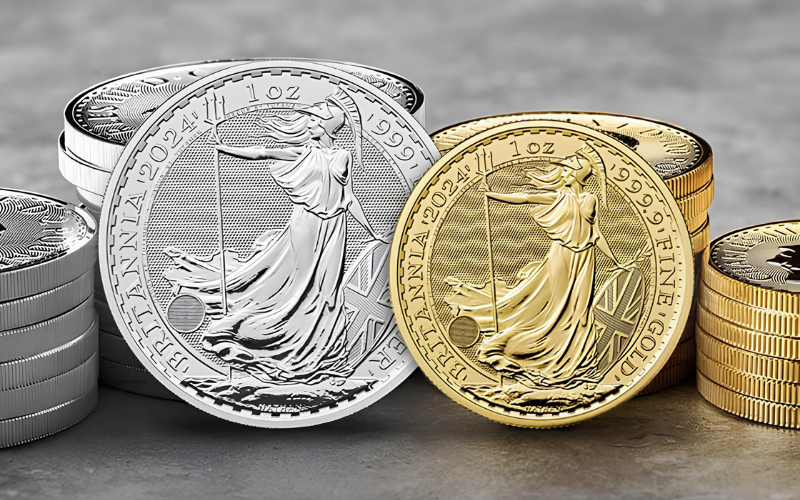
The present-day Silver Britannia and Gold Britannia are among the most secure bullion coins available to collectors and investors. The Royal Mint has layered multiple anti-counterfeiting measures into each Britannia coin, making it one of the most difficult coins in the world to replicate convincingly.
Micro-Text
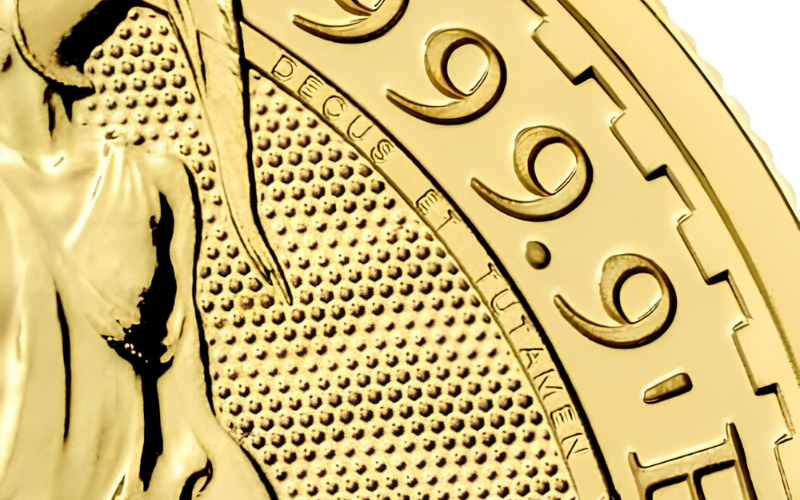
Running along the design of the modern Britannia is finely engraved micro-text—tiny inscriptions that are difficult to read without magnification. This precision detail is exceptionally challenging to reproduce convincingly with counterfeit tooling and serves as an important authentication feature when examined alongside the coin’s other security elements.
Latent Image Technology
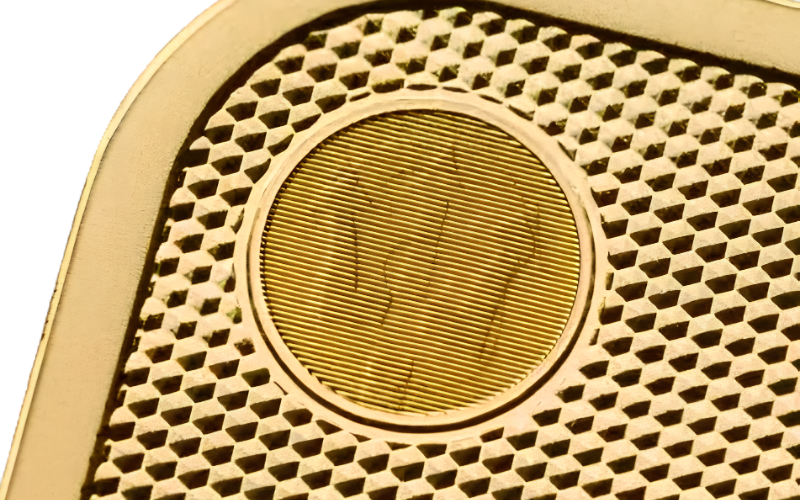
The Britannia features a latent image, which is a design element that appears to change when the coin is tilted at different angles. This technique, similar in principle to the security features found on modern banknotes, involves precision details that are exceptionally difficult to reproduce convincingly with counterfeit tooling.
Tincture Lines
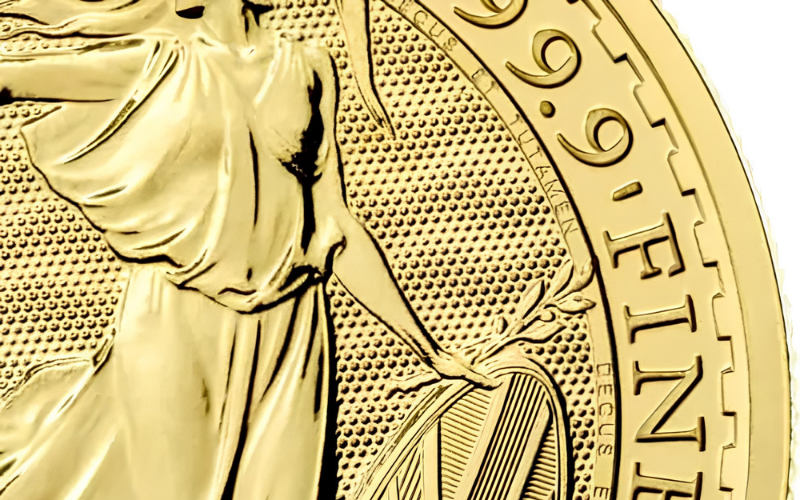
Drawn from the tradition of heraldic design, tincture lines are a system of fine parallel and cross-hatched lines used to represent color and shading in engraving. On the Britannia, these intricate line patterns add a layer of visual complexity that is both aesthetically distinctive and technically demanding to forge.
The Trident Security Mark
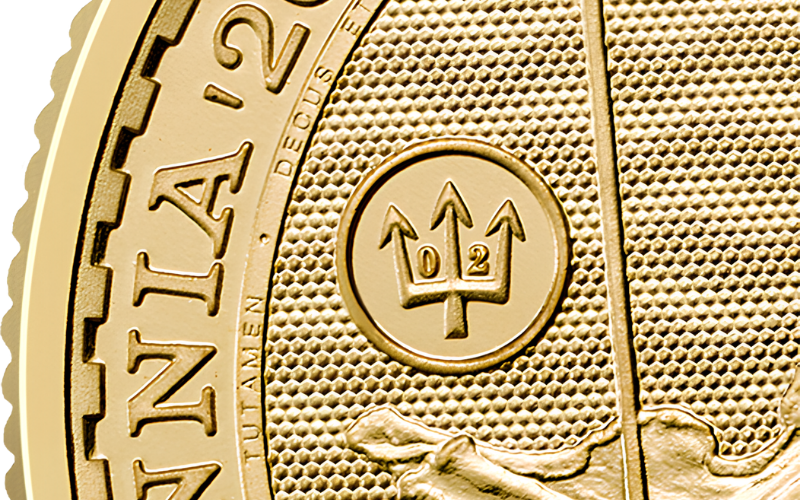
One of Britannia’s most recognizable security features is a small trident mark incorporated into the coin’s design. This subtle but deliberate element serves as an additional authentication point for collectors and dealers examining the coin’s genuineness.
Reeded Edge Design
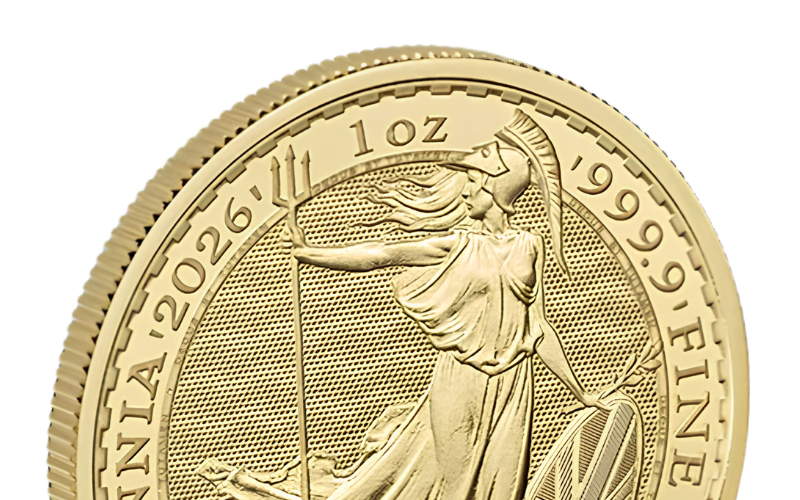
The modern Britannia features a precisely milled, reeded edge that adds another layer of manufacturing detail. While not a standalone security feature, the consistency and sharpness of the edge can help collectors and dealers assess authenticity, particularly when examined alongside the coin’s latent image, micro-text, and other security elements.
Precision Striking and Fine Detail
Modern Britannia bullion coins are struck with exceptional precision, producing sharp design elements and intricate security features. Fine details such as micro-text, tincture lines, and surface animation are difficult to reproduce convincingly, helping collectors and dealers distinguish genuine coins from many counterfeit examples. While lower-quality cast fakes often lack the crisp definition of an authentic strike, authentication is best confirmed by examining multiple security features together.
Other Mints Raising the Bar on Coin Security
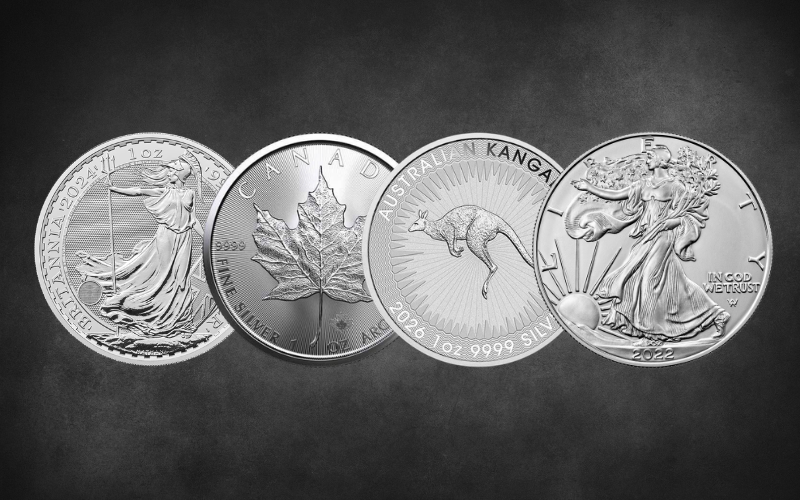
The British Royal Mint is not alone in its commitment to coin security. The Royal Canadian Mint has developed its own suite of anti-counterfeiting measures, including laser micro-engraving and radial lines on its Silver Maple Leaf coins. The Perth Mint in Australia incorporates security features into select releases, and the United States Mint continues to refine the design complexity of coins like the American Silver Eagle. Across the board, the world’s leading mints recognize that protecting the collector and investor is as important as the precious metal content itself.
Frequently Asked Questions About Coin Security Features
What are the most common security features on modern bullion coins?
The most widely used security features on modern bullion coins include micro-text or micro-engraving, latent image technology, precision radial or engraved line patterns, reeded or engineered edges, and subtle security marks embedded directly into the coin’s design. Leading sovereign mints have increasingly adopted advanced anti-counterfeiting measures to help collectors and investors authenticate genuine coins.
The British Royal Mint’s modern Britannia series incorporates several of these features, including micro-text, a latent image that shifts between a trident and a padlock, tincture lines, and animated surface detailing designed to make counterfeiting more difficult.
How can I tell if a coin is real without special equipment?
Start with the basics: check the coin’s weight and diameter against published specifications, examine the edge for lettering or reeding, and tilt the coin under a light source to look for latent image effects. For higher-value coins, a professional third-party grading service such as NGC (Numismatic Guaranty Corporation) or PCGS (Professional Coin Grading Service) provides certified authentication.
Are counterfeit bullion coins a real concern?
Yes. Counterfeit bullion coins, particularly silver and gold coins, do circulate in the secondary market. Buying from a reputable, established dealer is one of the most effective ways to ensure you receive genuine coins. Purchasing certified coins from NGC or PCGS adds an additional layer of protection.
What makes the Britannia coin particularly difficult to counterfeit?
The modern Britannia combines multiple-layered security features, including micro-text, a latent image that shifts between a trident and a padlock, tincture lines, and detailed surface animation. These precision-engineered elements increase the difficulty of producing convincing counterfeits and allow for easier authentication by collectors and dealers. Replicating all of these features accurately requires a high level of technical sophistication and precision manufacturing.
Do security features affect the collectible value of a coin?
Not negatively. In fact, coins with sophisticated security features are often more desirable among collectors precisely because they represent the cutting edge of minting technology. The Britannia’s security features are considered part of what makes it a premium bullion coin.
Shop Silver and Gold Britannia Coins at ModernCoinMart
The modern Britannia is a remarkable achievement in both artistry and security, and it remains one of the most sought-after bullion coins among collectors and investors worldwide. ModernCoinMart carries a wide selection of Silver Britannia coins and Great Britain silver coins at competitive prices. Browse our current inventory today and experience the MCM difference.