

The United States Mint has played a major role in American history for more than two centuries. From producing the nation’s first federal coinage to striking modern bullion and commemorative coins, U.S. mint facilities have helped support commerce, economic growth, and coin collecting across generations.
While many collectors recognize mint marks on coins, fewer know the stories behind the facilities themselves. Some mints operated during gold and silver rushes, while others became famous for producing some of the most collectible coins in American numismatics. Today, a handful of active mint locations continue that legacy by producing circulating coinage, proof coins, and precious metal bullion products.
Here is a look at every major U.S. Mint facility, both past and present, and what made each one significant.
The Origins of the United States Mint
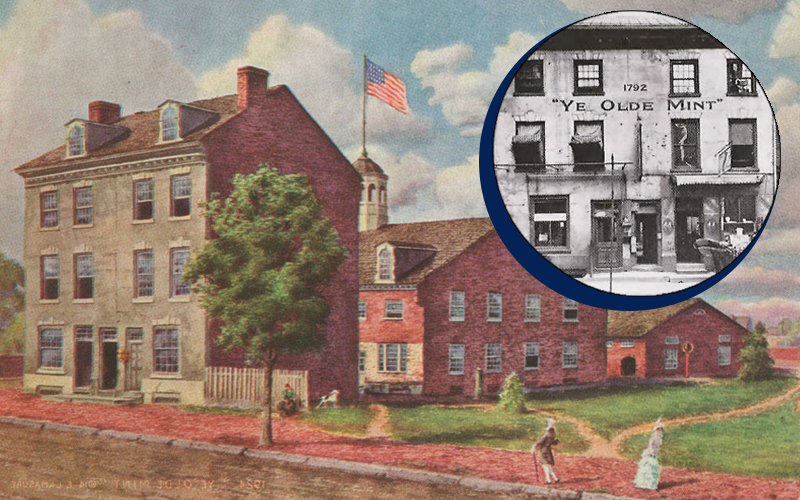
After the Revolutionary War, the United States faced a major currency problem. Foreign coins circulated widely, and there was little consistency in the nation’s monetary system. To establish a standardized national currency, Congress passed the Coinage Act of 1792, officially creating the United States Mint.
The first federal mint was established in Philadelphia, which was then the nation’s capital. Over time, additional branch mints opened across the country to support growing commerce and regional precious metal discoveries.
These branch facilities eventually became identified by mint marks, which appear on coins to indicate where they were struck. Some of the most famous mint marks include:
- P for Philadelphia (traditionally carried no mintmark for most of U.S. history)
- D for Denver
- S for San Francisco
- W for West Point
- CC for Carson City (closed in 1893)
- O for New Orleans (closed in 1909)
- C for Charlotte (closed in 1861)
Mint marks remain an important part of coin collecting today because production numbers often varied between facilities.
Philadelphia Mint: The First U.S. Mint
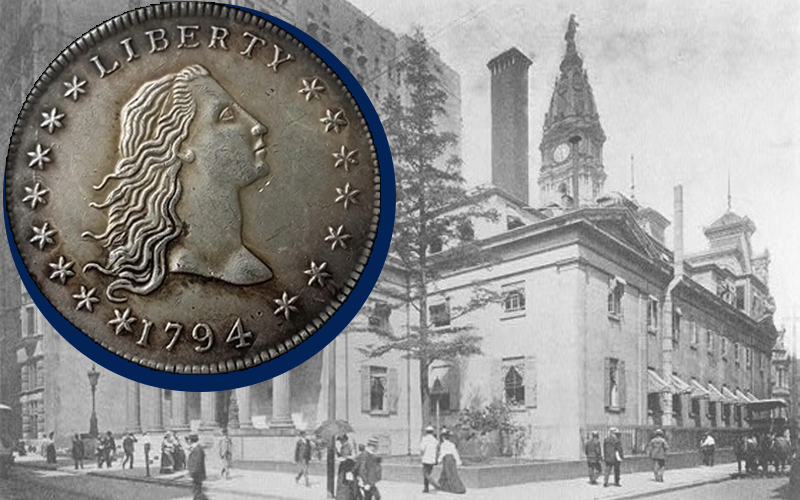
The Philadelphia Mint, founded in 1792, was the first official mint in the United States and remains one of the most important coin production facilities in the country.
Many of America’s earliest federal coins were struck in Philadelphia, including early cents, half cents, silver dollars, and gold coins. For much of U.S. history, Philadelphia coins carried no mint mark, which is why many older coins appear blank beneath the date.
Many of America’s earliest federal coins were struck in Philadelphia, including early cents, half cents, silver dollars, and gold coins. For much of U.S. history, Philadelphia coins carried no mint mark, which is why many older coins appear blank beneath the date.
Today, the Philadelphia Mint is still one of the nation’s highest-volume coin production facilities. It produces circulating coinage, medals, commemorative coins, and collector products. The facility also engraves coin dies used by other U.S. mints.
For collectors, Philadelphia is especially important because it produced many iconic American coins, including early Liberty Head designs and countless Morgan and Peace Silver Dollars.
The Historic Southern and Frontier Mints
As gold discoveries spread across the country during the 19th century, the federal government established branch mints closer to mining regions to process precious metals more efficiently.
Charlotte Mint
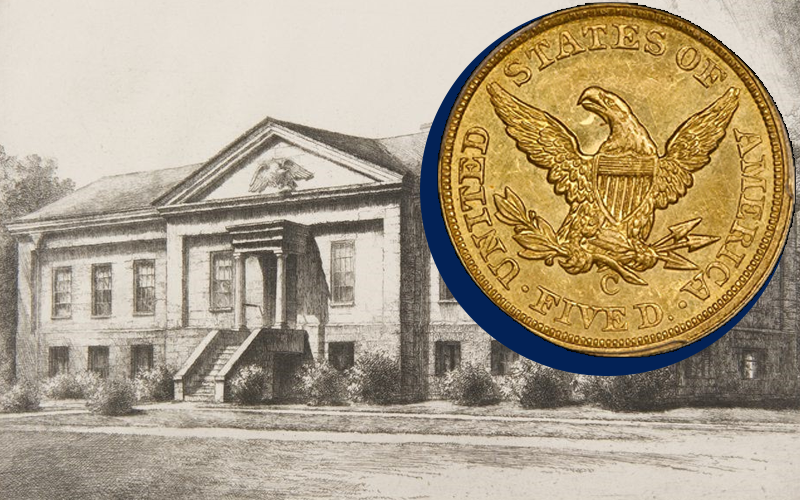
The Charlotte Mint opened in North Carolina after the Carolina Gold Rush. Operating from 1838 to 1861, the facility primarily struck gold coinage using locally mined gold.
Coins from Charlotte carry the “C” mint mark and are highly collectible today because of their relatively low mintages and limited production period. Most Charlotte issues consist of gold dollars, quarter eagles, and half eagles.
Dahlonega Mint
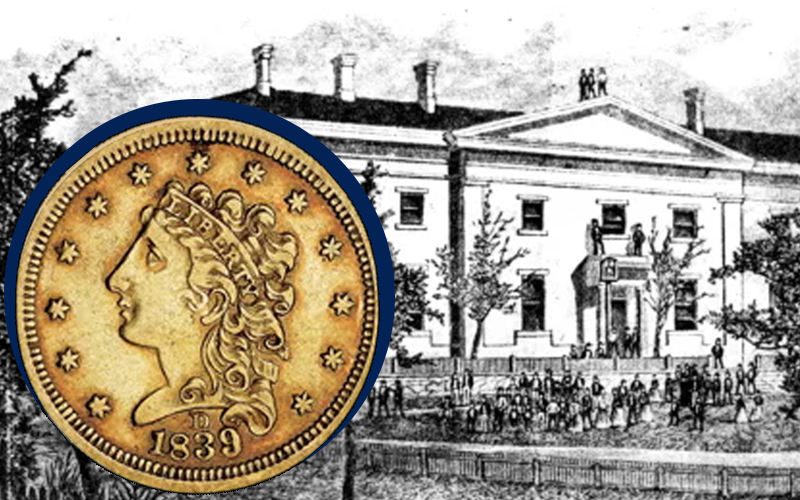
The Dahlonega Mint was established in Georgia following early 19th-century gold discoveries in the region. Like the Charlotte Mint, it operated from 1838 until 1861, when it ceased production at the onset of the Civil War.
Dahlonega coins carry the “D” mint mark. While this can occasionally confuse newer collectors, it predates the Denver Mint—established in 1906—which later adopted the same mint mark.
Unlike many other branch mints, Dahlonega exclusively struck gold coinage, making its issues historically distinctive.
Because of their frontier origins, limited production, and relatively low mintages, Dahlonega coins remain highly sought after by collectors today.
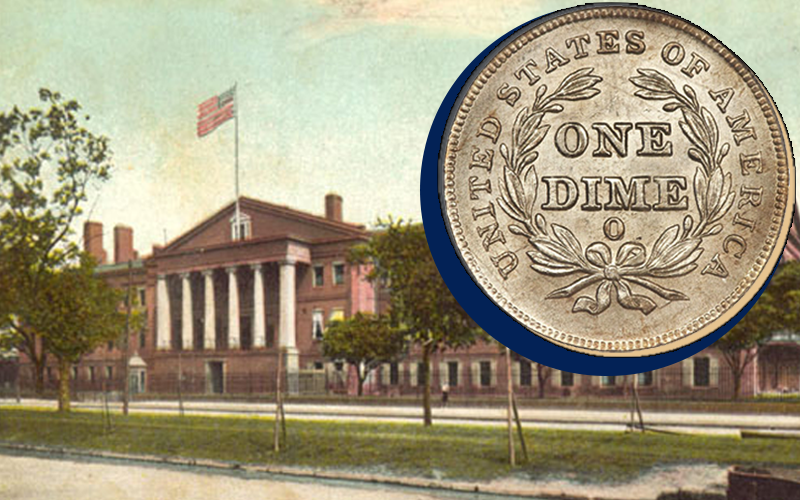
New Orleans Mint
The New Orleans Mint opened in 1838 and became one of the most important early branch mints in the southern United States. Located in a major port city along the Mississippi River, it was strategically positioned to support domestic commerce and the movement of precious metals through both regional and international trade networks.
Coins struck in New Orleans carry the “O” mint mark. Throughout its history, the facility produced both gold and silver coinage, including Seated Liberty issues in the 19th century and Morgan Silver Dollars during its later period of operation after reopening in 1879.
Today, New Orleans Morgan dollars are especially popular with collectors due to their historical significance, branch mint origin, and, in certain dates, lower mintages or distinctive striking characteristics compared to coins from other mints.
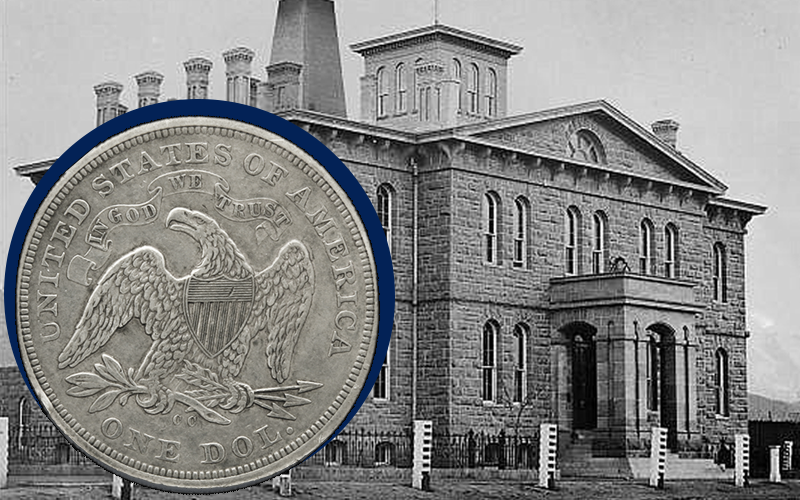
Carson City Mint
Few U.S. Mint facilities are as legendary as the Carson City Mint. Established in Nevada during the silver boom created by the Comstock Lode, the mint operated from 1870 to 1893.
Carson City coins carry the famous “CC” mint mark, one of the most recognized in American numismatics.
The facility is best known for its Morgan Silver Dollars, many of which are highly sought after due to their low mintages, western frontier history, and strong collector demand. It also produced other silver coinage tied to the Comstock era.
Even today, “CC” coins remain among the most desirable classic issues in the U.S. collecting market.
The Modern U.S. Mint Locations
While several historic branch mints eventually closed, four primary U.S. mint facilities remain active today.
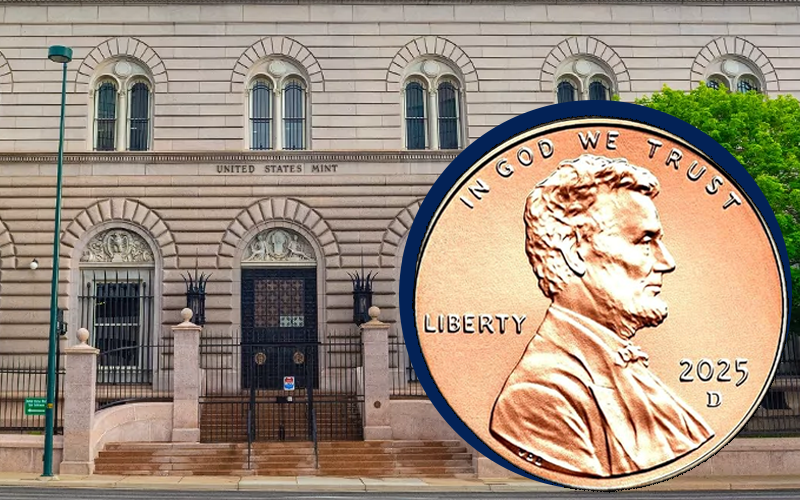
Denver Mint
The Denver Mint traces its origins to a regional assay office established in the 19th century to serve Colorado’s mining industry. Official coin production began in 1906, and the facility quickly developed into one of the highest-volume coin production sites within the U.S. Mint system.
Coins struck in Denver carry the “D” mint mark. Today, the mint produces billions of coins annually, including cents, nickels, dimes, quarters, and dollar coins for general circulation.
Due to its large output, Denver-minted coins are commonly encountered in everyday circulation across the United States.
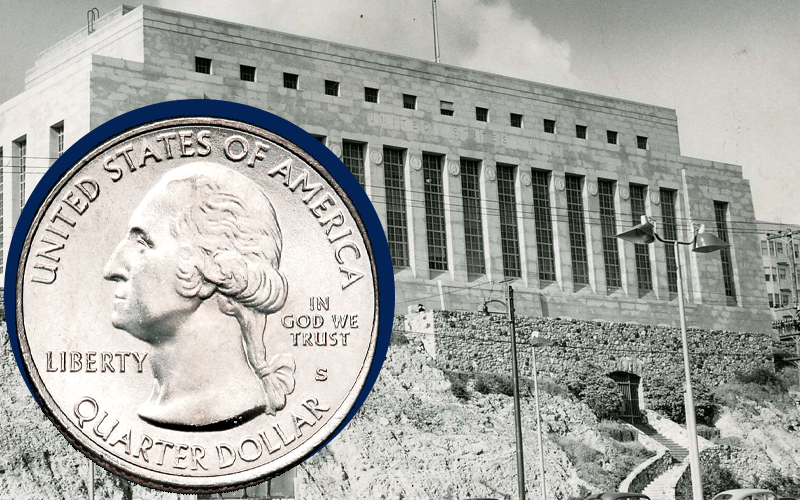
San Francisco Mint
The San Francisco Mint was established during the California Gold Rush and became operational in 1854.
Coins struck here carry the “S” mint mark. Historically, the mint produced large quantities of gold coins and silver dollars, helping process the enormous amounts of precious metal flowing from California mines.
Today, the San Francisco Mint is best known for producing proof coinage and special collector issues. Many modern proof sets include coins struck at this facility.
The San Francisco Mint remains especially important to collectors because of its long history and association with modern proof coinage and collector products.
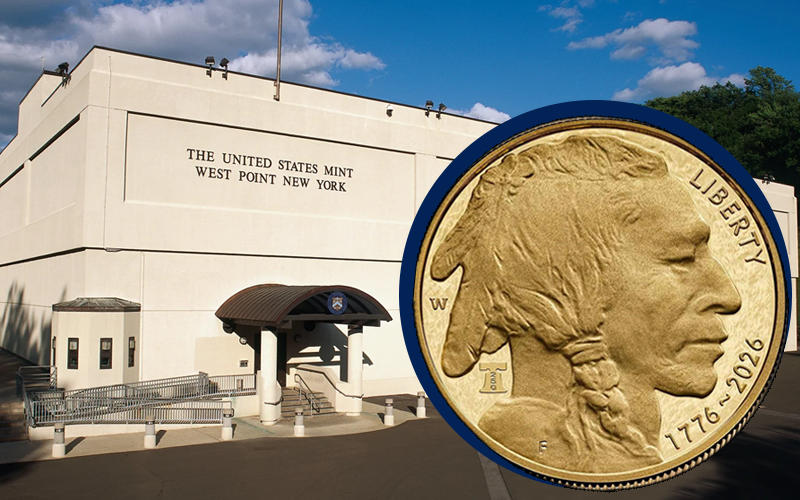
West Point Mint
The West Point Mint began as the West Point Bullion Depository in 1937 before later becoming a United States Mint production facility in 1988.
Coins from West Point feature the “W” mint mark. The facility is heavily associated with precious metals and now produces many of America’s bullion and proof coin programs.
Popular products struck at West Point include:
- American Gold Eagles
- American Silver Eagles
- Platinum Eagles
- Palladium Eagles
West Point has become one of the most important facilities for modern bullion investors and collectors.
Former Mint Facilities and Assay Offices
In addition to official branch mints, the United States also operated assay offices in regions tied to precious metal mining. These facilities tested and refined gold and silver, but did not always produce circulating coinage.
As mining activity declined and transportation improved, many smaller facilities became unnecessary and eventually closed.
Several historic mint buildings still exist today as museums and educational sites. The Carson City Mint, for example, now serves as the Nevada State Museum. These preserved locations help showcase the history of American coin production and remain popular attractions for collectors and history enthusiasts.
Why Mint Marks Matter to Collectors
Mint marks are one of the most important factors in coin collecting because coins from different facilities often have different mintages.
A Philadelphia issue may have millions produced, while the same coin from Carson City or New Orleans could have far fewer surviving examples. This scarcity can significantly impact collector demand and market value.
Many collectors build complete date-and-mint collections, searching for examples from every mint location. Certain mint marks, especially “CC” and “O,” are particularly popular because of their historical connections and rarity.
Modern collectors also pay close attention to special releases from West Point and San Francisco, especially limited-edition bullion and proof coins.
The Role of the U.S. Mint Today
The U.S. Mint continues to play an essential role in American commerce and coin collecting. Current facilities produce circulating coinage used nationwide, while also creating commemorative programs and precious metal bullion products for investors.
Modern mint technology has also improved coin security and production quality. Advanced engraving techniques and anti-counterfeiting features help maintain confidence in American coinage.
At the same time, the Mint continues to preserve history through coin designs that celebrate important people, events, and national milestones.
For collectors, every mint tells part of the American story. From frontier gold rushes to modern bullion production, U.S. mint facilities remain deeply connected to the nation’s economic and cultural history.
Frequently Asked Questions
What are the current U.S. Mint locations?
The primary operating U.S. Mints today are Philadelphia, Denver, San Francisco, and West Point.
Which U.S. Mint produced Morgan Silver Dollars?
Morgan Silver Dollars were produced at Philadelphia, Carson City, New Orleans, and San Francisco throughout the series’ main production years (1878–1904), with additional coins struck at Denver in 1921 during the final year of production.
What is the most famous U.S. mint mark?
Many collectors consider the “CC” Carson City mint mark to be one of the most iconic and highly sought-after due to its rarity, short production period, and strong connection to the Old West.
Why do some coins not have a mint mark?
Many U.S. coins do not have mint marks because the Philadelphia Mint historically struck most circulating coinage without using a mint mark. This practice was standard for much of U.S. coinage production and continued until 1980 for most circulating designs.
In addition, some modern issues may still omit mint marks depending on the coin type or production purpose, though this is far less common today.
Does the West Point Mint produce circulating coins?
West Point primarily manufactures bullion and collector coins, though it has occasionally produced circulating coins for special programs.
What was the first U.S. Mint?
The first official United States Mint was established in Philadelphia in 1792 under the Coinage Act, with coin production beginning in 1793.
Closing Thoughts
The history of U.S. mint facilities reflects the nation’s growth. From the first Philadelphia Mint to the famous Carson City branch and today’s modern bullion operations at West Point, each facility played a unique role in American coinage.
For collectors, mint marks offer more than identification. They provide a direct connection to different eras of American history, regional mining booms, and some of the most iconic coins ever produced.
Whether you collect Morgan Dollars, modern bullion coins, or historic gold pieces, understanding the story behind each U.S. Mint can add even more meaning to your collection.