

Starting a coin collection can feel like entering a new world with an entirely different language. And it is true! Many vocabulary words are uniquely associated with a collecting culture. While it may take time, understanding coin-collecting terms can help newcomers truly appreciate the value of their collection. Learn the most important term for coin collectors to understand, how to discuss parts and pieces of coins, and what terminology to use to track down specific coins.

Foundational Terms For Beginners
Learn the meaning behind each common key term for coin collectors and hobbyists.
- Bullion: Investment-grade coins or bars comprised of 99.5% – 99.9% pure gold, silver, platinum, or palladium.
- Ingot: Most often refers to a metal “bar.” Ingots can be used for investment or coin-making purposes.
- Mint: Government-authorized buildings dedicated to manufacturing commemorative and circulating coins, bullion coins, and medals. In the U.S., there are four mints: Denver, Philadelphia, San Francisco, and West Point.
- Mint Mark: A small, simple design element that denotes which Mint a coin was issued from. This mark may be found on either side of the coin.
- Numismatist: A person who studies or collects currency, coins, paper money, tokens, etc. They are experts in numismatics, the broader field of currency study, which encompasses not only collecting but also analyzing money as a historical artifact.
Anatomy of a Coin
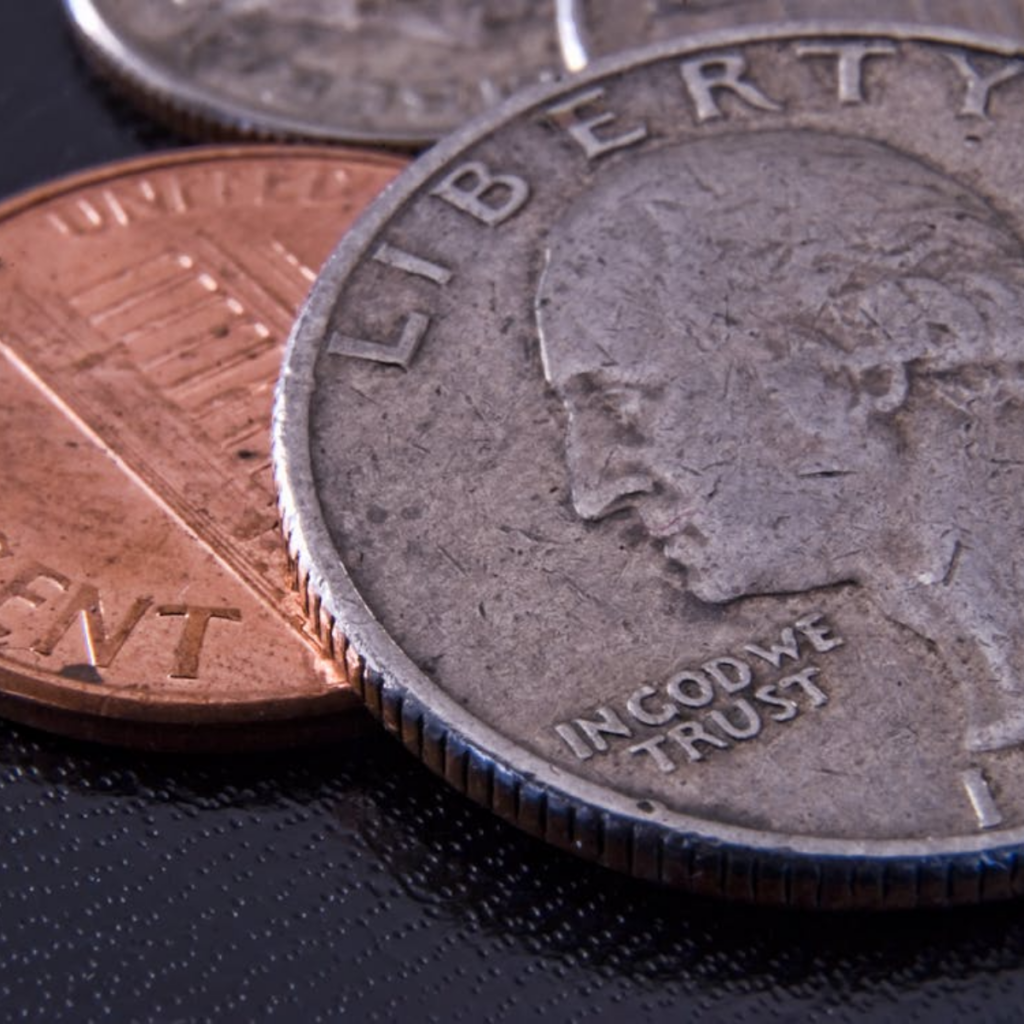
While they seem fairly simple at a glance, each region of a coin has a designated name. Learn about every coin collector term for the core parts comprising a coin.
- Edge: Often referred to as the “third side” of a coin, this serves as the outer border. This area can be reeded or smooth.
- Ridge: The raised border around each side of the coin on the obverse and reverse.
- Obverse: A common coin collector term referring to the “heads,” or front-facing side of the coin.
- Reverse: The “tails” side of a coin or the back of the design.
Every Coin Collector’s Terms for Grading
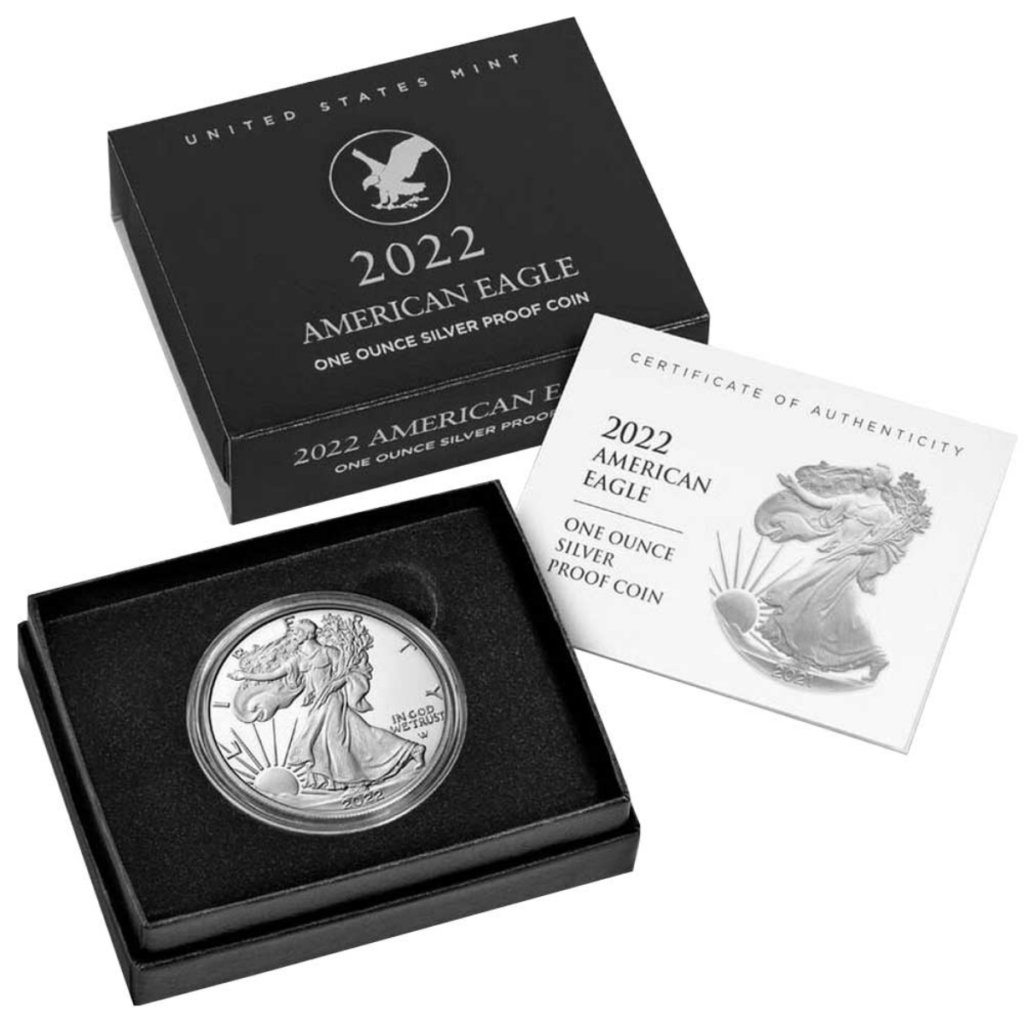
Grading coins plays a crucial role in evaluations and determining worth. Understanding the terminology around this process is critical for advancing collectors.
- Assay: The act of analyzing and determining the metal purity of a coin.
- Grade: The official condition of a coin as formally recorded by a numismatic professional. The grade significantly impacts a coin’s overall worth.
- Sheldon Coin Grading Scale: An essential coin collector term for beginners to familiarize themselves with. A 70-point scale that is used to rank a coin’s condition. Flaws, wear, and luster all combine to determine this number. The higher the rating, the more perfect the coin.

Coin Collecting Terms: Buying & Selling
As collectors search for their next acquisition, these terms will frequently be encountered.
- Face value: The value as reflected by the number struck onto the coin itself. This does not always reflect the amount a collector might pay for it.
- Intrinsic value: The value of a coin as determined by the market price of the metal it is made of. Similarly, this does not always align with the face value reflected on the design.
- Spot price: The current market price of a precious metal. Spot price fluctuates frequently and is influenced by several global factors.
Putting Lingo into Action
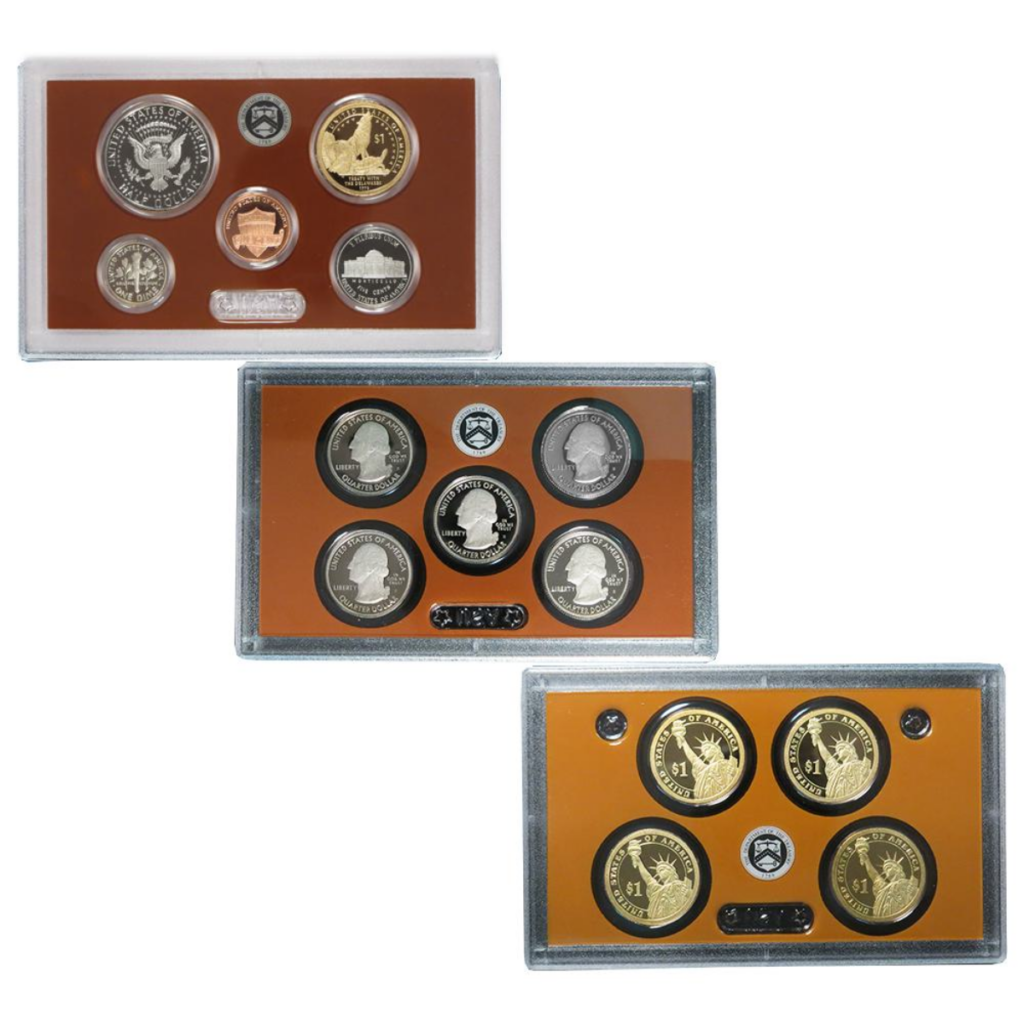
While there are many more coin-collecting terms to learn, this guide covers the basics to get hobbyists started. Like learning any new language, collectors should give themselves grace in learning new terms and phrases. The vocab will come with time and exposure, building up confidence as well.
The more understanding collectors have, particularly in terms of coin anatomy, collections, and design elements, the more they can refine their search for the next acquisition. Reliable and trusted vendors, like Modern Coin Mart, can help. Find the exact coin you are searching for using our search bar, filters, and categories.