

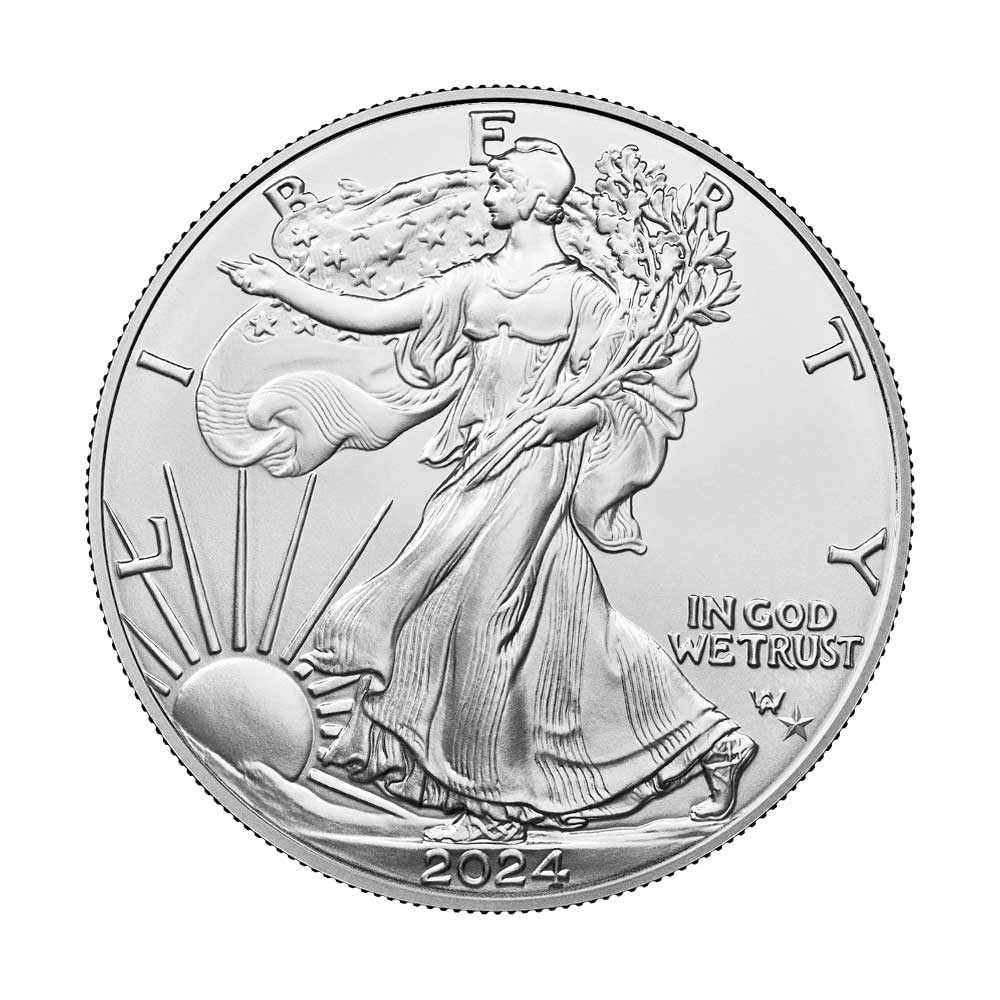
Anyone who’s ever closely examined a U.S. quarter or dime has likely noticed the tiny ridges that run around the coin edge. These ridges—known as reeded edges—aren’t just decorative. They serve historical, practical, and even security-related purposes. But why do coins have ridges, and why don’t all coins feature this distinctive edge?
Let’s explore the origins of reeded edges, why they persist in modern coinage, and how they play a role in everyday currency and collectible coins.
Why Do Coins Have Ridges?
The concept of reeded edges goes back centuries, before the founding of the U.S. Mint. Historically, many coins were made from valuable metals such as gold or silver. Because coins held intrinsic value based on their metal content, some individuals found ways to profit by shaving small amounts of metal from a coin’s edges—a practice known as “coin clipping.” Shaving enough coins over time could lead to the illegal accumulation of precious metal.
To fight this form of tampering, mints introduced reeded edges. The grooved edge acted as a visible and tactile deterrent—if anyone clipped a coin, the missing or uneven ridges would give it away immediately. Reeded edges made it easier for merchants and customers to detect altered coins and ensured the stability and trustworthiness of coinage.
Why Do Quarters Have Ridges Today?
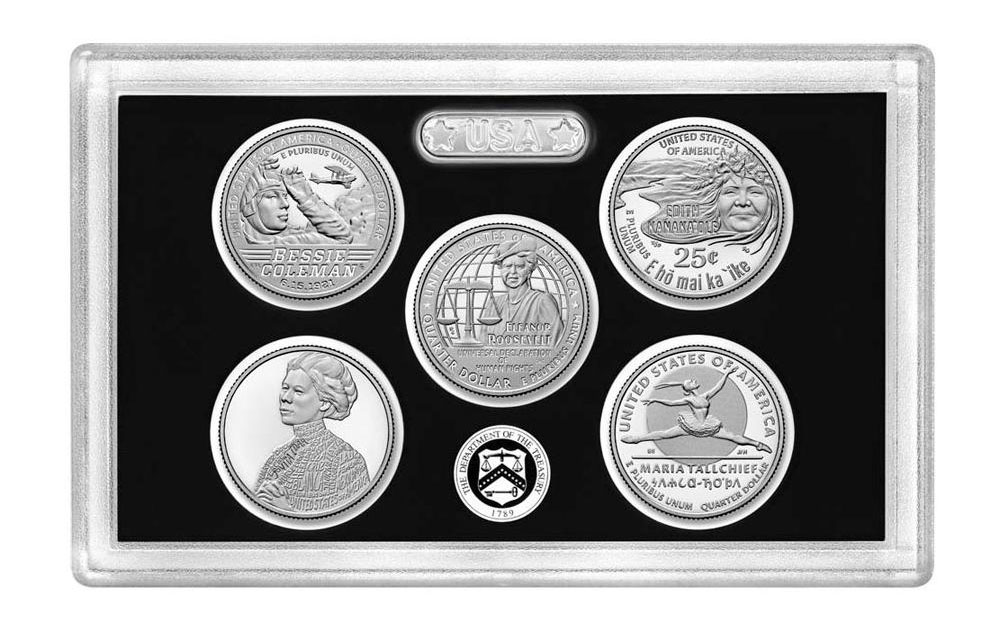
So, why do quarters have ridges today, especially now that they’re no longer made of silver?
Until 1965, U.S. quarters were composed of 90% silver. Even though modern quarters are made of a copper-nickel clad composition, the reeded edge remains. This is partly due to tradition, but there are still valid practical reasons for retaining the ridge design.
One major reason is tactile identification. People with visual impairments can easily distinguish between quarters, dimes, nickels, and pennies by feeling the coin edge. Since quarters and dimes are similar in size, the reeded edge helps prevent confusion.
Security is another reason for keeping the reeded edge. Even though modern coins are not made of precious metals, reeded edges are still difficult to counterfeit without advanced minting technology. The consistent, precise spacing of the ridges adds extra complexity that deters low-grade fakes.
Which U.S. Coins Have Reeded Edges?
In the U.S., several coins still feature reeded edges, including dimes, quarters, half dollars, and some modern commemorative coins and bullion issues.
Other coins like pennies and nickels have smooth edges. Why the difference? It mostly comes down to the historical composition and value of the coin. Coins made with precious metals or assigned higher values were more likely to be targets for clipping, so they were given reeded edges for protection, which has carried into modern numismatic practices. Lower-value coins didn’t require this feature and were produced with plain edges for ease and economy.
The Significance of Coin Edges in Modern Collecting
Reeded edges aren’t just for functionality—they also hold value for collectors. Coin collectors pay close attention to the edge of a coin when evaluating its authenticity, condition, and overall appeal.
The edge can also be the key to spotting mint errors. For example, coins missing their reeded edge, or those with partially misaligned edge patterns, are often considered collectible mint errors and can command a premium in the market. Some special-edition coins even feature unique edge designs with lettering, numbering, or alternating textures that distinguish them from standard issues.
Shop Modern Coins with Reeded Edges at ModernCoinMart
Whether you’re intrigued by the history of coin edges or looking to add distinctive, high-quality coins to your collection, ModernCoinMart has what you need. We offer a wide selection of U.S. and world coins—including many with reeded edges—graded and authenticated by trusted services like NGC and PCGS.
From classic silver quarters to limited-edition commemoratives with unique edge lettering, ModernCoinMart provides exceptional variety and value. Browse our catalog today!