

If you’ve ever noticed your coins developing unexpected colors over time, you’re witnessing a natural transformation that fascinates collectors worldwide. Coin toning and coin patina are two distinct processes that cause these color changes, and understanding them is essential for any serious collector. But what is coin toning, exactly? And what is patina on coins? These aren’t signs of damage — they’re natural chemical reactions that occur as coins age and interact with their environment. In this guide, we’ll explore why coins change color, how to identify these processes, and what they mean for your collection’s value.
Why Do Coins Change Color Over Time?
Coins don’t maintain their original mint luster forever. As they age, exposure to air, moisture, oils from handling, and environmental factors triggers chemical reactions on the metal surface. Different metals react in unique ways: silver coins might develop rainbow hues, while copper coins often turn brown or green. These color changes result from oxidation and other chemical interactions between the coin’s metal composition and its surroundings. Understanding that these changes are natural aging processes, not necessarily deterioration, helps collectors appreciate the story each coin tells. The specific colors that develop depend on the metal type, storage conditions, and how much time has passed since minting.
What Is Coin Toning?
What is coin toning? Coin toning refers to the gradual color changes that occur on a coin’s surface through natural oxidation and chemical reactions over time. This phenomenon most commonly affects silver and nickel coins, though other metals can tone as well. Toning typically appears as subtle color shifts ranging from golden and amber hues to vibrant blues, purples, and even rainbow effects. Many collectors particularly prize “crescent toning” or edge toning, where colors develop along the coin’s rim.
It’s crucial to distinguish between natural toning and artificial toning. Natural toning develops slowly over decades through genuine environmental exposure, creating appealing, organic color patterns. Artificial toning, however, results from deliberate attempts to accelerate or fake the process using chemicals or heat. Experienced collectors and professional grading services can usually identify artificially toned coins, which typically command lower prices than naturally toned examples. Authentic, attractive toning can actually enhance a coin’s appeal and value among collectors.
What Is Patina on Coins?
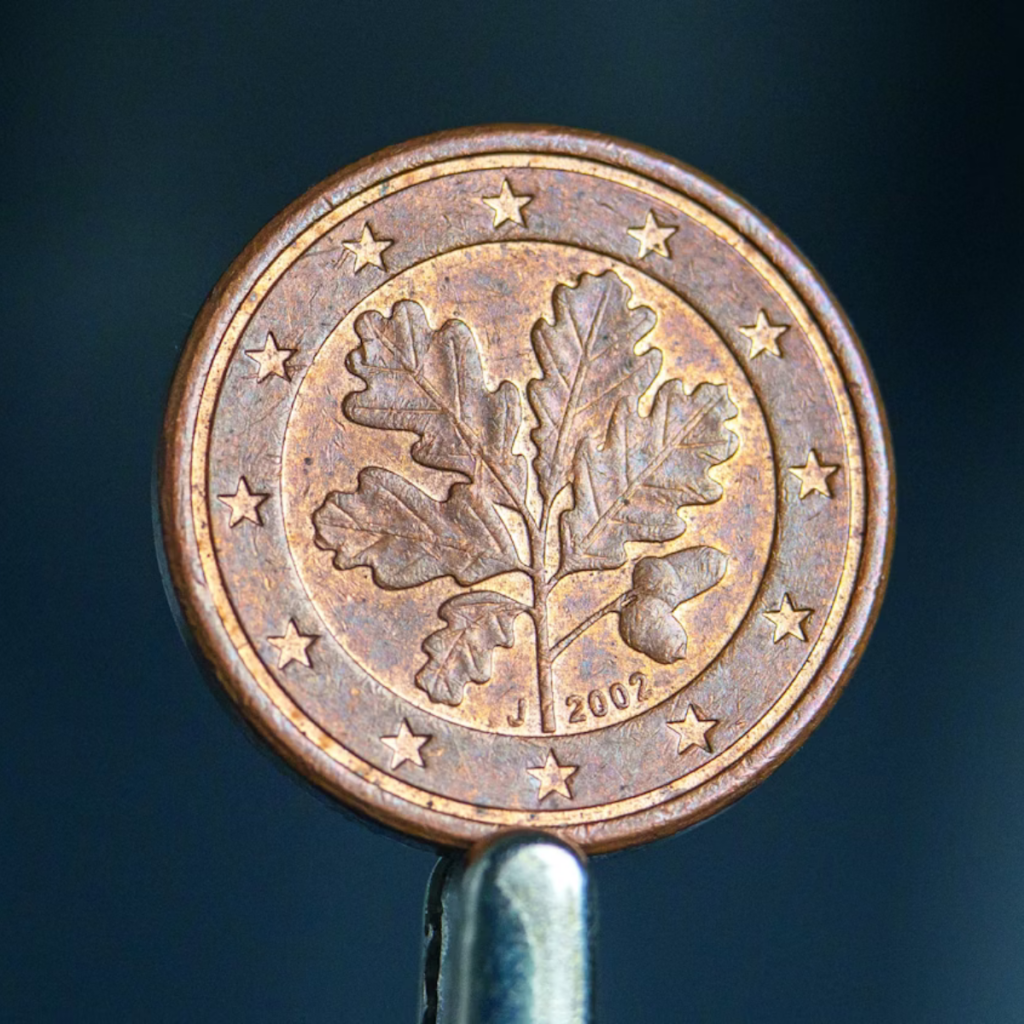
What is patina on coins? Coin patina is a thin protective layer that forms on a coin’s surface through oxidation and other chemical processes. This layer is most common on copper and bronze coins, though it can develop on other metals as well. Unlike tonings’ often vibrant colors, patina typically presents as brown, olive green, or blue-green hues, with copper coins frequently developing that characteristic brown surface.
Far from being damaged, patina actually serves a protective function, shielding the underlying metal from further corrosion. This is why many numismatists view patina as a desirable sign of authenticity and age. Ancient and colonial-era copper coins, for instance, are expected to display rich, even patina. A coin with original, undisturbed patina often commands respect in the collecting community because it demonstrates the piece has remained untouched over time. The depth and quality of patina can even help authenticate a coin’s age and provenance.
Coin Toning vs. Patina: What’s the Difference?
While both coin toning and coin patina involve color changes, they’re distinct processes:
Metals Affected: Toning primarily occurs on silver and nickel coins, while patina most commonly develops on copper and bronze.
Appearance: Toning produces a wider range of colors, including blues, purples, golds, and rainbows. Patina typically creates brown, olive, or green surfaces.
Formation Process: Toning results from thin oxide layers refracting light differently. Patina forms as a thicker, more substantial protective coating.
Collector Perception: Attractive toning on silver coins can significantly boost desirability. Original patina on copper coins is generally expected and valued as a sign of authenticity.
Understanding these differences helps you properly evaluate coins and communicate accurately with other collectors and dealers.
Is Toning or Patina Good or Bad for a Coin’s Value?
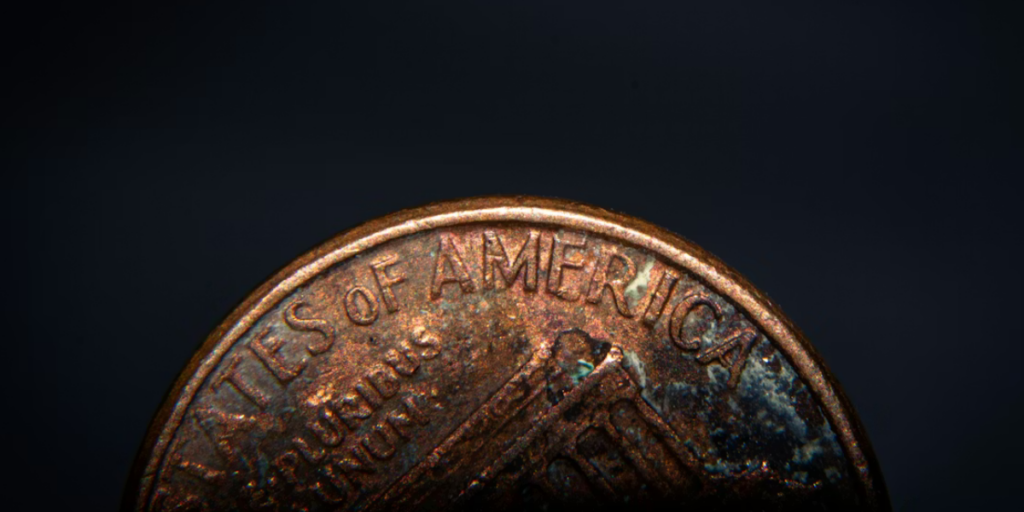
The impact of toning or patina on value depends entirely on originality and eye appeal. Natural, attractive toning on silver coins can substantially increase value — particularly vibrant, evenly distributed “rainbow toning” or appealing crescent patterns. Similarly, original, even patina on copper coins is viewed positively and often enhances value by confirming authenticity.
However, unattractive or uneven color changes may reduce appeal, and artificially induced toning or patina almost always diminishes value. Professional grading services like PCGS and NGC carefully evaluate whether color changes are natural and original. Their assessments significantly influence market value. The key is originality: a coin with its natural surface, whether brilliantly lustrous or beautifully toned, will typically outperform coins that have been cleaned or artificially altered.
Should You Clean Toned or Patinated Coins?
The answer is almost always no. Cleaning coins, even gently, typically removes toning or patina along with the coin’s original surface, dramatically reducing collector value. This is one of the most common mistakes new collectors make. Patina, in particular, serves a protective function, and removing it can expose the coin to accelerated deterioration.
Professional numismatic conservation exists for coins with harmful corrosion or problematic surfaces, but this should only be performed by experts who specialize in numismatic conservation. If you’re uncertain about a coin’s condition, consult with a reputable dealer or professional grading service before taking any action. Remember: you can’t undo cleaning, but you can always preserve originality.
Understanding Coin Color Changes Helps Protect Their History
Coin toning and coin patina aren’t flaws; they’re natural processes that add character and history to your collection. These color changes document a coin’s journey through time, recording its environmental interactions and preservation history. By understanding the difference between these processes and recognizing desirable versus problematic color changes, you can make informed collecting decisions and properly care for your coins. Learning how coins age naturally helps you preserve their value, authenticity, and the remarkable stories they tell. Explore our collection to find coins with beautiful natural toning and patina.