

Like many societal advancements, gold and silver currency did not materialize suddenly overnight. Rather, from some of the earliest historical records, precious metals have appeared and played a role in the growing economy. In fact, gold and silver have been long associated with wealth and affluence. From ancient times to present day, follow us on a brief journey to establish gold and silver as important currencies.
The First Appearance Onward
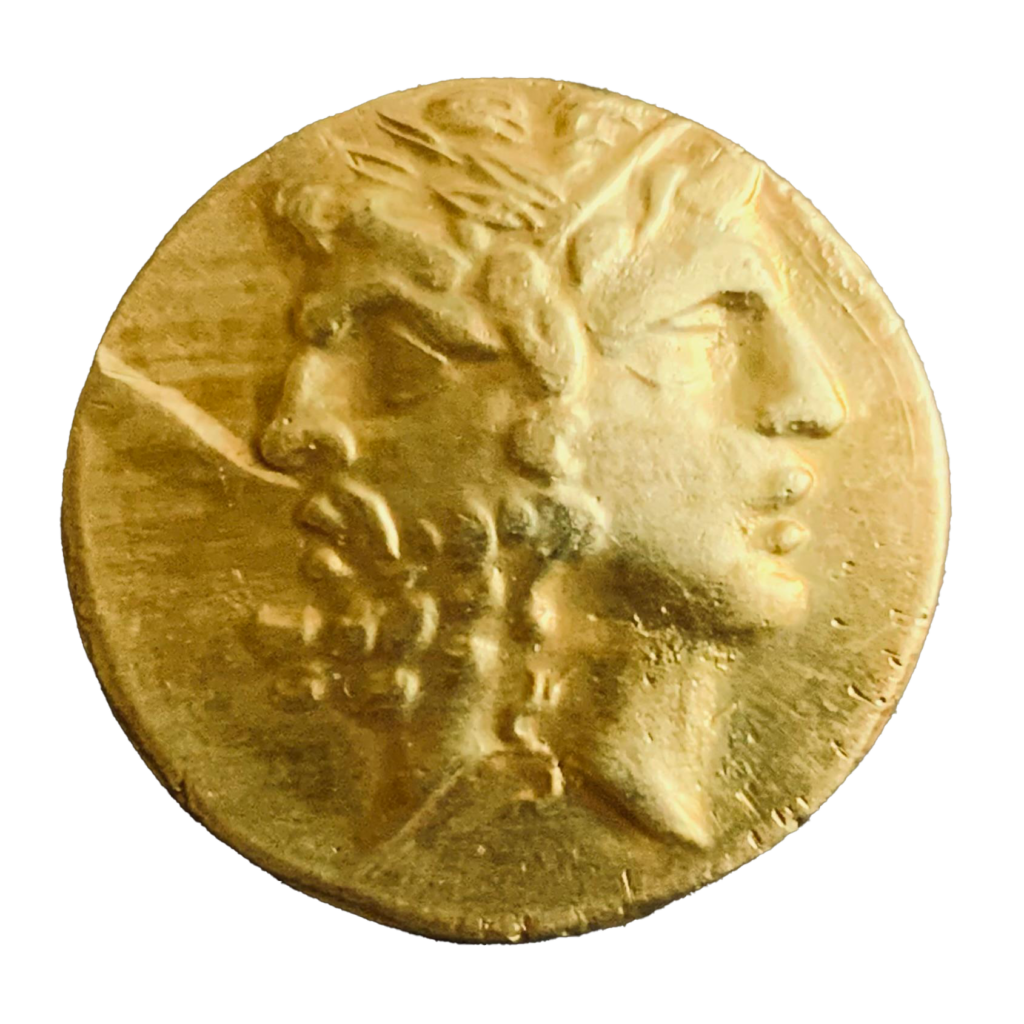
The first notable mention that historians can trace to gold and silver currency is around 3100 BC. Egyptian society not only regularly traded gold and silver, but they also established a value structure with a set ratio of gold to silver. The ratio at the time was one part gold to two and a half parts silver.
From Egypt, other civilizations also showed their own advancements in monetary systems. Between 550 and 600 BC in Lydia, an area that is now modern-day Turkey, gold and silver were first minted into coins. They were introduced as an easier means to store value and simplify bartering. Meanwhile, Persia is known for also using silver and gold, introducing and upholding the idea that minting currency is a royal privilege. Finally, Roman and Greek society further refined the process of stamping iconography onto currency, cementing coins into ongoing European culture.
The Middle Ages to Modern Day
Moving forward in time, Europe introduced a variety of precious metal coins in different geographic areas, including the Noble coin, the Italian Florin, and the German Augustalis.
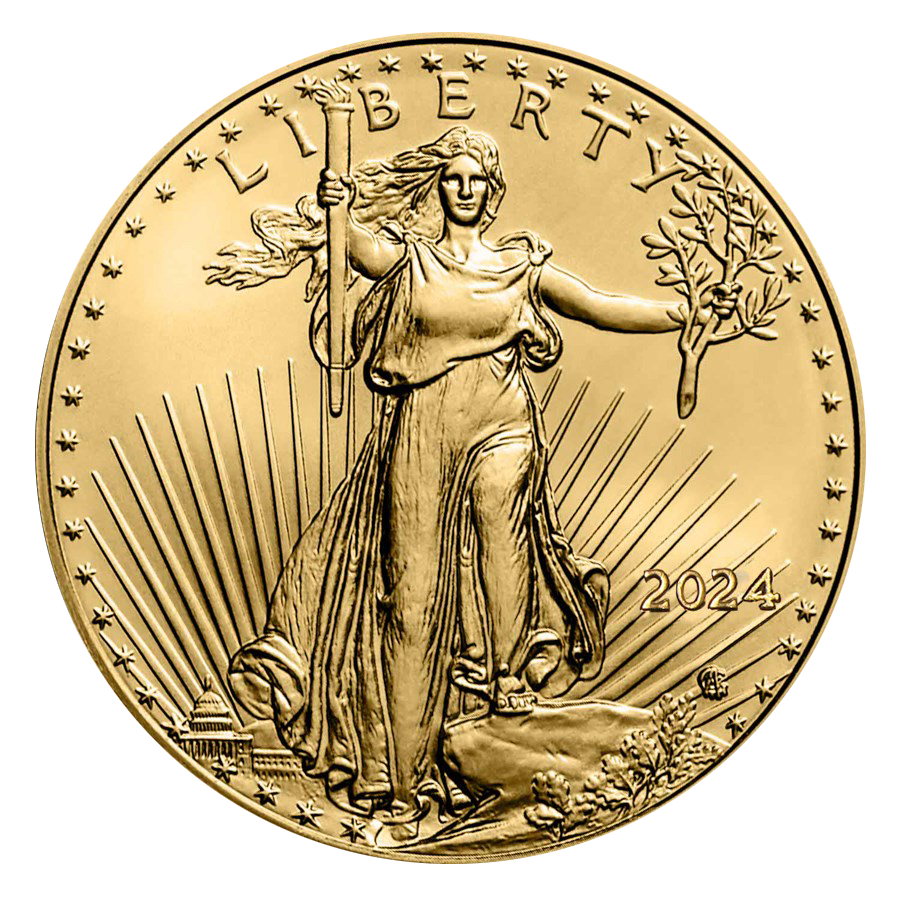
Starting in the late 1700s, the United States began intertwining the value of paper currency and precious metals with the Coinage Act of 1792. This act not only established the dollar as the official currency of the US, but it also backed the dollar to specific, measurable gold and silver amounts. The cementing of gold as a valuable material also spurred the gold rush. Similarly, across the ocean in 1816, gold was adopted as the official standard value in England, catapulting the metal’s importance into the modern day.
While the gold standard worked for several years, the balance was upset in the US with The Great Depression. To reverse a major government issue (government gold reserves running low), Franklin D. Roosevelt issued an executive order mandating all citizens to exchange their gold bars and coins for money from the government or face jail. Combined with a few other sweeping actions, this changed America’s relationship with gold currency. Finally, in 1974, citizens regained the right to own gold under Ford’s administration.
Metal in Today’s Society
While most modern societies have moved to fiat money, gold and silver continue to play a role as stable and valuable assets to collectors and investors. In fact, with the consistent refinement and advancement of design and engraving technology, modern-day gold and silver coins serve as important pieces of art and reflect current national values, just as much as they hold intrinsic value. Investors can still invest precious metals like gold and silver through ETFs and mining stocks, meanwhile hobbyists and collectors can also own physical gold and silver through coins and bars.
While it is not common to see gold coins exchanged for goods and services throughout the daily course of life now, older coins are still highly valued for their historical significance. On the other hand, modern coins are prized for their artistry and metallic purity.
MCM: A Collector’s Resource
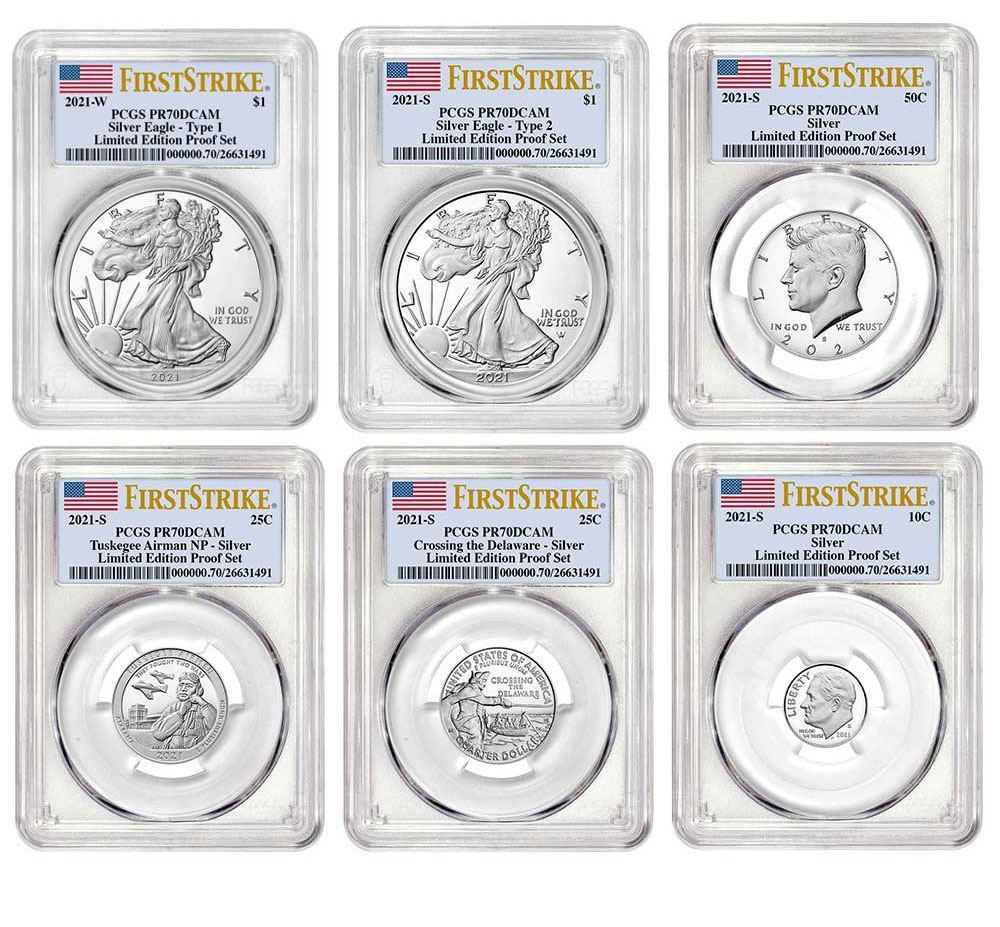
At ModernCoinMart, we carry a significant history of our own, having shaped and pioneered the online coin and bullion market since 2004. We carry an ever-expanding selection of ancient and modern silver and gold coins.
We also pride ourselves in serving as a resource for new and seasoned numismatists. Learn more about the latest gold and silver news from our blog.