
For many collectors, deciding how to sell coins can be daunting, but it can also be gratifying if you’ve built a large collection over time. Whether you’re downsizing, shifting your focus to another hobby, or simply ready to cash in on your investment, understanding the value of a coin collection and the best way to navigate the market can help ensure a smooth and successful sale.
Understanding the Value of a Coin Collection
Before selling, it’s essential to get a clear picture of your collection’s worth. The value of a coin collection depends on several factors:
- Rarity: Coins that were minted in smaller quantities or have limited surviving examples often carry higher value.
- Condition: Grading plays a significant role in determining coin value. Coins in better condition (often referred to as “Mint State” or “Proof”) are generally worth more.
- Demand: Some coins are more popular among collectors, which can drive up prices.
- Precious Metal Content: Coins made of gold, silver, or platinum have intrinsic metal value in addition to numismatic value.
A professional appraisal or consultation with a trusted coin dealer can help you better understand coin collecting values and what your pieces might be worth in today’s market.
Organizing Your Collection
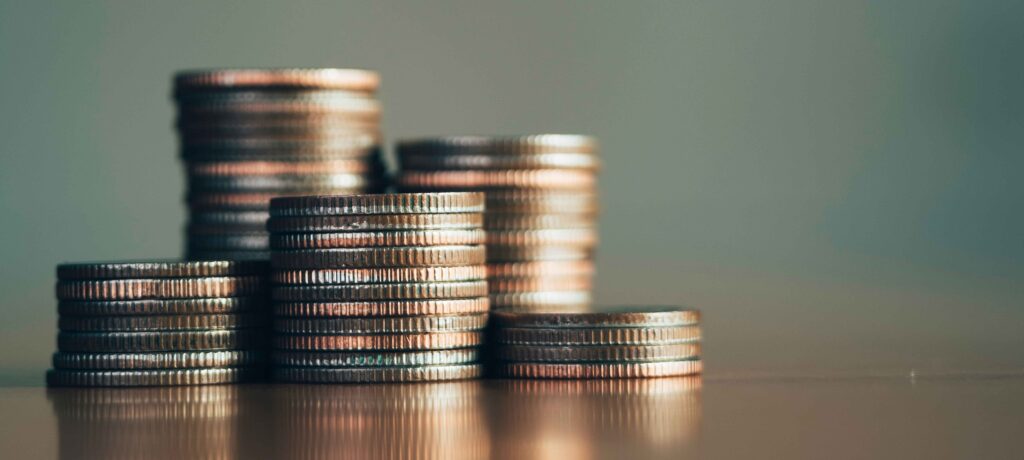
If your collection isn’t already organized, organization is an easy next step before listing. Divide coins by type, denomination, and condition. Make note of any certificates of authenticity, original packaging, or documentation, as these items can add to a coin’s value.
Creating a simple inventory list with key information—such as mint year, mint mark, denomination, and condition—will make it easier for appraisers, dealers, or buyers to assess your collection.
Where and How to Sell Coins
Once you know what you have, you’ll need to decide where to sell. Options include:
Local Coin Dealers
Working with a reputable, local dealer offers the benefit of face-to-face interaction. Dealers can quickly assess your coins, explain their value, and make an offer on the spot. Ensure you work with someone accredited by a recognized organization, like the American Numismatic Association (ANA).
Online Marketplaces
Platforms like eBay or specialized coin auction websites allow you to sell directly to collectors. You’ll need to do your homework to price items competitively and provide high-quality photos and descriptions.
Coin Shows and Conventions
Coin shows offer the opportunity to interact with multiple dealers and collectors in one place. You may receive several offers and can get a better sense of what the market looks like for your specific coins.
Auction Houses
For rare or high-value coins, a reputable auction house may be your best bet. These firms have access to serious collectors and often handle the marketing, authentication, and sale of your items. Just be aware that auction houses charge fees, usually a percentage of the final sale price.
Getting a Professional Appraisal
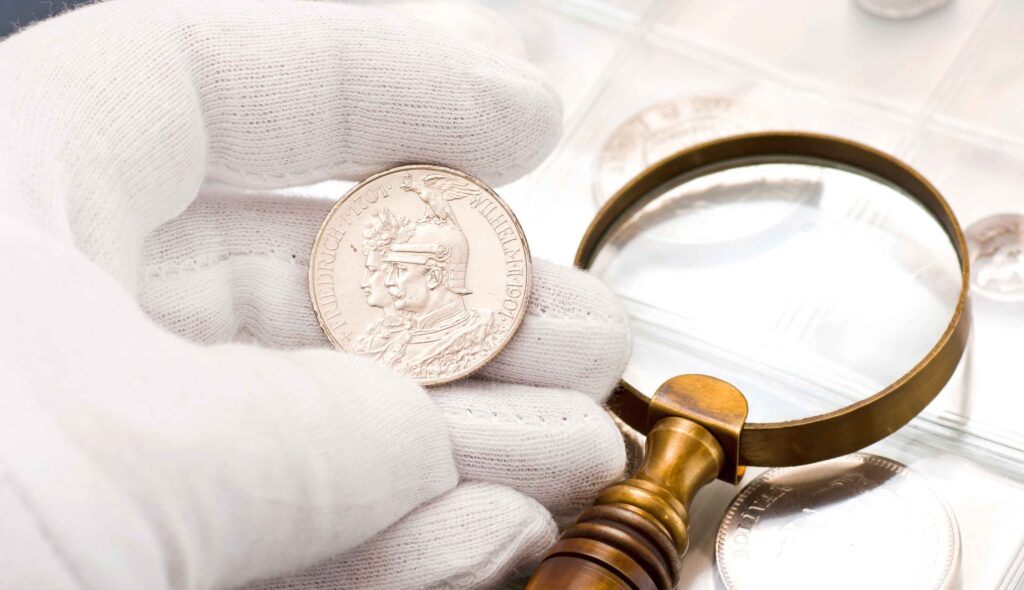
Even if you think you have a good sense of your collection’s worth, a professional appraisal can give you a more accurate valuation. Many dealers or third-party grading services offer appraisals, either in person or online. Be sure to seek out experienced, well-reviewed professionals who have no incentive to undervalue your collection.
Should You Get Your Coins Graded?
Grading your coins through a third-party service like the Numismatic Guaranty Company (NGC) or Professional Coin Grading Service (PCGS) can help maximize your returns, especially for rare or high-value coins. Professionally graded coins verified by an unbiased expert tend to sell more quickly and command higher prices.
Keep in mind that grading isn’t free; fees can vary depending on the value of a coin collection and the turnaround time you request. It’s typically worth grading coins that are rare, in excellent condition, or have high market demand.
Tax Considerations
Selling coins may have tax implications depending on your location and the profitability of the transaction. Coins made of precious metals are considered collectibles by the IRS, and any profit from their sale may be subject to capital gains tax. Speak with a tax advisor to understand your obligations.
How to Sell Coins: Final Tips
- Do Your Research: Check recent sales of similar coins to get a sense of their going rate.
- Get Multiple Opinions: Don’t accept the first offer; shop around for better options.
- Don’t Clean Your Coins: Cleaning can reduce a coin’s value. Leave them in their current state.
- Be Realistic: Sentimental value doesn’t always equal market value.
Selling Through ModernCoinMart
ModernCoinMart offers a trusted, transparent process for collectors looking to sell. Our team of experienced professionals is here to help you assess your coins and offer competitive pricing backed by decades of expertise.
Whether you’re selling a few coins or an entire collection, ModernCoinMart is a reliable partner in the numismatic marketplace. Contact our team today to learn how we can help you get the best value for your collection.