

Handling money wisely extends beyond daily saving and spending. Understanding the legal ins and outs of cash handling can be the difference between financial success and costly pitfalls. Who can participate in melting coins? Is it illegal to burn money?
Learn the answers to these commonly asked questions and more in our comprehensive guide to money rules.
Commonly Asked Questions: Legal Handling
Whether you’re collecting, spending, or crafting with coins, many legal questions often arise regarding coin handling. This section covers many frequently asked questions from avid numismatists and U.S. citizens about acceptable financial behavior. Discover what you can legally do with your money.
Can I Alter U.S. Currency?
Section 331 of Title 18 of the United States Code claims it is illegal to alter, deface, or mutilate any of the coins from the Mint of the United States. However, the key to this particular code is the intent to modify fraudulently. A real-life example of illegally modifying, especially pertinent to numismatists, would be scratching or altering the design of a coin with the intent to sell it as a special edition or collector’s item. However, on the legal side, modifications like turning coins into rings or jewelry is perfectly acceptable. The key difference is whether the alteration is intended to add fraudulent value to the coin or pass the money off as legitimate tender.
Can I Buy and Sell Replica Coins?
It is not illegal nor uncommon to come across “tribute” copies of highly desired coins. In fact, the purpose of tribute coins is to allow collectors a chance to obtain difficult-to-find currency. However, tribute coins should always be clearly labeled as such and include “Copy” or “Replica” engraved directly on its obverse or reverse side. This engraving may be difficult to spot, therefore, before buying an elusive coin it is best to have a professional review the money to avoid falling for a scam. If you are selling a tribute coin, be sure to overtly attest to its true nature in the title and description and under no circumstances attempt to pass it off as the original coin.
Can Private Citizens Own Gold Coins?
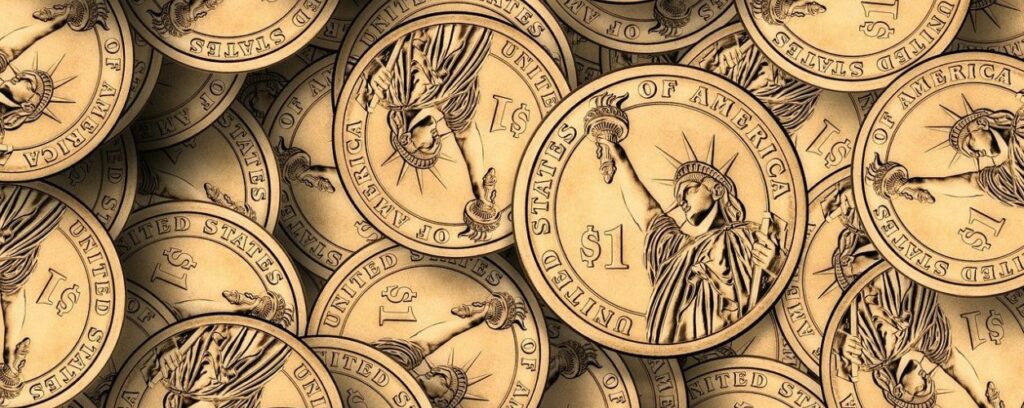
Though this may seem an odd question to younger generations, it was once illegal to own gold as a private citizen. In 1933, President Roosevelt signed an executive order banning any citizen from owning more than $100 worth of gold coins. While this order was signed as an emergency measure during the Great Depression, the act held for over forty years. President Ford signed a bill in 1974 and now gold ownership is once again legal in the United States. There have since been no moves or discussions to bring back the gold ban.
Can I Legally Use Old Coins as Modern Currency?
All coins circulated by the U.S. Mint are treated as legal tender. The Federal Reserve routinely removes currency from circulation if it should no longer be used. Coins of all ages can be used according to their original face value. Even bullion and proof coins are considered tender! However, historic coins, bullions, and proofs are often worth more than their face value implies. While citizens can certainly spend these coins as desired, they may find using them as collector’s pieces more advantageous.
Commonly Asked Questions: Illegal Behavior
When it comes to money, there are many ways to manage it illegally. While some activities are plain to understand, others may be less obvious. Protect yourself by understanding the legal boundaries surrounding currency, including debasement, melting, and shaving coins.
Is It Illegal to Burn Money?
The short answer: yes. Burning money generally falls under the same code listed above, stating the illegality of mutilating currency. However, this law applies to money only in active circulation. Old, retired currency is not protected in the same manner.
That said, when many ask, “Is it illegal to burn money?” they may be thinking of a time someone burned money as an artistic or political statement without consequence. In the past, some demonstrations of money burning have happened to catch media attention and make a stand. While it is an illegal activity, it ultimately rests in the government’s hands whether they choose to pursue legal action against these individuals or not. While burning a handful of cash may not be high on their prosecution list, anyone participating in large-scale or systematic behavior of burning money, especially with the intent to destabilize the economy, will likely find themselves on the wrong end of the justice system.
What is Debasement?

Coin debasement is another form of money fraud and is an illegal practice. Debasement, like alteration, is a broad term capturing multiple types of behavior. However, when the term is used, it most often refers to the practice of melting coins and mixing in lesser metals to lower to overall intrinsic value of its makeup. While the face value does not change, the coin’s makeup is now worth less. Debasement usually involves gold and silver coins, as those are more precious metals to be diluted.
What is Coin Clipping?
Coin clipping falls under the larger debasement category and is also illegal behavior. Sometimes this act is also referred to as shaving coins. Coin clipping is the act of cutting or shaving off small bits of metal from around the edges of coins, specifically gold and silver, using tools like a knife or shears. The goal is to eventually accumulate enough metal scraps to melt down and sell for a profit. Just like debasement, shaving coins may not impact the currency at face value but does lower its intrinsic value. Recirculating or selling coins that have been clipped is fraudulent behavior.
Melting Coins: Who Can Do It?
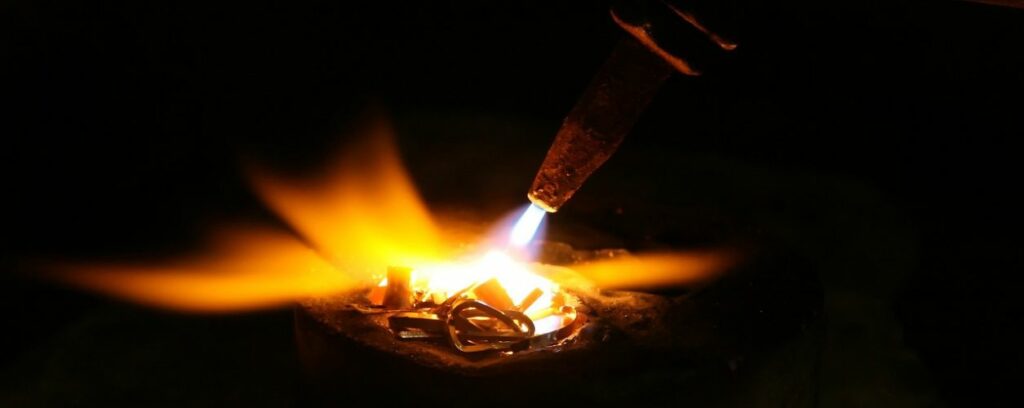
Similar to coin modifications, melting coins in the United States can be both legal and illegal depending on intent and the coins being melted.
- Illegal Activities: Melting pennies and nickels in the U.S. is expressly prohibited as of 2006. The primary reason behind the law is that the value of copper and cupronickel exceeds the face value of the coins themselves, meaning citizens could melt down the coins and sell the raw material for more than the pennies and nickels are worth. The intent to profit through melting coins is the key to violating the law.
- Legal Activities: The 2006 law only applies to pennies and nickels due to their low face value. Meanwhile, for other coins made of higher-grade mixtures, it is unlikely that the face value would ever fall below the intrinsic value of the coin, making melting unnecessary. Additionally, much like the alteration and mutilation discussed above, if the act of melting coins is to turn them into something like jewelry or artwork, it is no longer illegal.
Your Coin Collecting Resource
ModernCoinMart is here to help coin collectors of all levels and experience. Learn more about important coins and currency from a trusted source. Explore our blog for a continuing list of resources covering all things numismatic, including introductions, FAQs, guides, and more.
Or, buy and collect coins from around the world with confidence. See the latest coins and shop from a reliable source.
Sources
Federal Crimes Blog | Hedding Law Firm
Numismatic FAQs | American Numismatic Association
Is it Illegal to Own Gold? | American Bullion, Inc.
What is Currency Debasement, With Examples | Investopedia