

Coin collecting turns ordinary objects into something more meaningful, and it all starts with just one. For newcomers eager to get started and make the most of a new hobby, we have you covered with a coin-collecting guide for beginners. Below are the latest tips, tricks, and advice to help budding numismatists build out their collections while avoiding traditional hazards.
1. Understanding Basic Terms
Collecting can feel formidable to new hobbyists because of its very unique vocabulary. Therefore, no coin collecting guide would be complete without a list of common terms newcomers will likely come across as they delve into the pastime.
- Bullion – high-grade platinum, palladium, gold, or silver, often presented in the form of bars or coins, primarily purchased for investment in the metal, not for numismatic value.
- Commemorative – Coins or medals intended to honor a specific person, place, or event. These coins do not see typical circulation.
- Die – A metal stamp template used to press a design into coins.
- Grade – The numeric ranking a coin receives to denote its quality and condition based on a standard coin rating system.
- Obverse / Reverse – Rather than “heads” or “tails,” the obverse design refers to the intended front of the design, while reverse signifies the intended back of the coin.
- Numismatics – The study and collection of coins, currency, tokens, and related objects.
2. Prepare to Preserve Coins
As new hobbyists embark on their collection journey, learning how to store, organize, and care for coins properly is key. Our coin collecting guide for beginners covers some of our most useful starter tips and tricks.
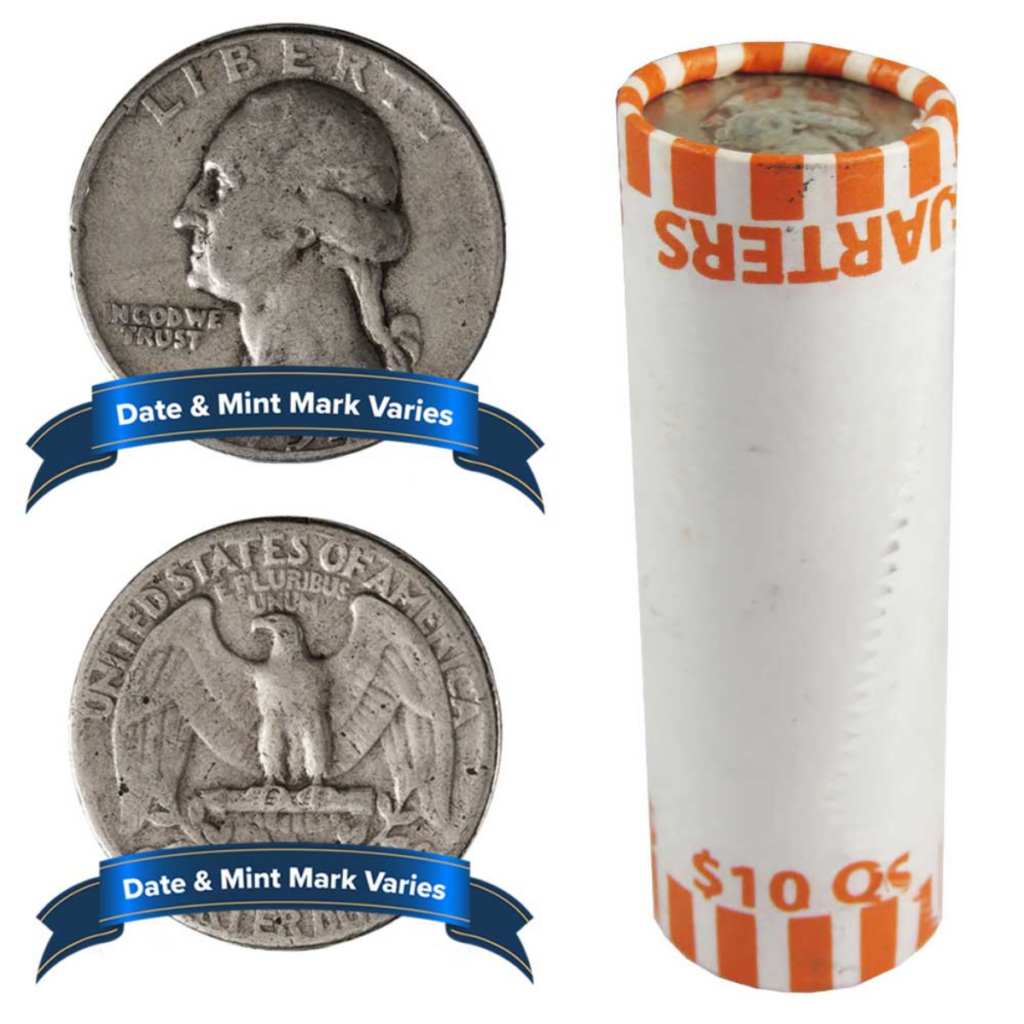
- Start inexpensive – For collectors just starting, there are several affordable and accessible options to store coins. For bulk storage, coin tubes present an easy way to sort and store coins. For a more appealing visual display, cardboard coin flips show off coins and are easy to find online.
- Think about home safety – While protecting coins with proper storage is important to maintaining their condition, it is important for hobbyists not to neglect the safety within their home as well. One of the best ways to protect valuable coins is with a fire-retardant safe that cannot be easily removed from the house.
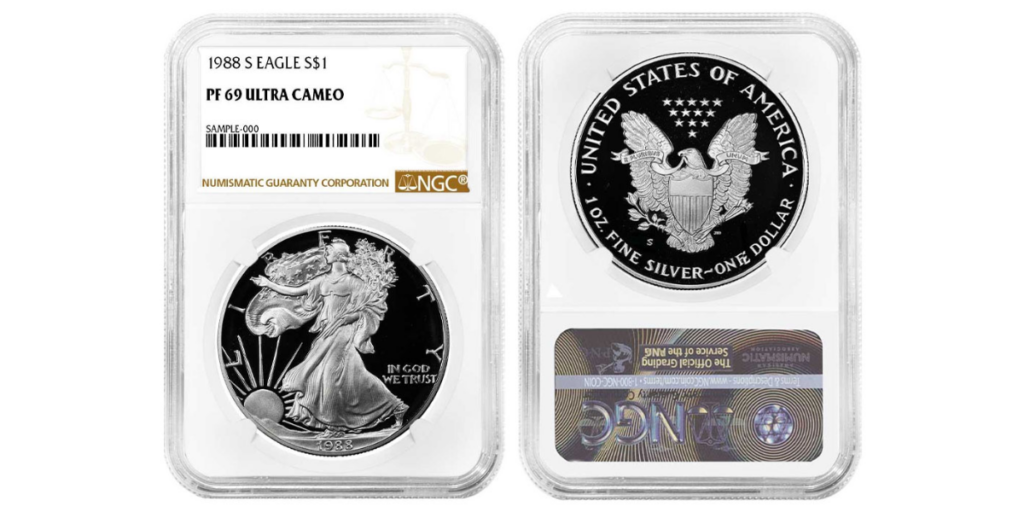
- Go the extra mile for high-value coins – For most beginners, simple storage and safety measures provide plenty of opportunity to get started. However, we would be remiss if our coin collecting guide did not mention more advanced techniques. For high-value, graded coins or large collections, plastic covers and encapsulation (most often provided by official grading companies) offer higher-level protection from erosion. Meanwhile, a safety deposit box at banks can provide secure, off-site storage for precious commodities.

3. Review Coin Collecting Basics
With such a rich and extensive history, there is no end to the education available as part of coin collecting. In fact, as mentioned above, there is an entire dedicated study of coins and their usage called numismatics. While this coin collecting guide could go on extensively about resources, some of the most commonly used and highly recommended starting points are “The Red Book” and “The Blue Book,” or the most official handbooks covering U.S. coins. Additionally, the revered American Numismatic Association (ANA) has several resources, such as seminars, events, and publications.
Explore more coin collecting resources here.

4. Get Involved with the Community
Coin collecting is meant to be fun and enriching. What better way to get involved with the hobby than by joining a local or national club? Perfect for newcomers, coin clubs provide a great sense of community and easy access to further education, which is why they’re an important part of any coin collecting guide. There are coin clubs for niche collections, city-centric clubs for local citizens to meet up, and fully online clubs for those exploring the hobby.
Find out more about coin clubs and which ones to join.
5. Avoid Common Buying Pitfalls
When starting a collection, understanding common pitfalls and how to avoid them is an essential lesson in a coin-collecting guide for beginners.
- Assuming value – some beginning collectors mistakenly believe older coins automatically mean more value. However, several factors, such as rarity and condition, all play a role in determining value. Be sure to do due diligence before assuming worth.
- Cleaning coins – Sometimes, new collectors can accidentally cause unintended damage by trying to clean coins. Always be sure to research proper techniques before applying chemicals to coins.
- Not finding reputable sellers – Unfortunately, counterfeit coins are sold every day. It’s important for beginners to understand some counterfeit spotting basics. Yet, it’s also equally important to find reputable and trustworthy vendors. At ModernCoinMart, we have over 20 years of experience in the business and a team of dedicated professionals to ensure a smooth and easy customer experience every time.