

While the canvas may be small, every coin’s design carries little but essential details. Some of these tiny and decorative-looking features are mint marks and privy marks. While both symbols can be easily overlooked, they communicate important information about the coin’s production. Discover more about the difference between each of these marks and how they can impact the value of coins.
What Are Mint Marks?
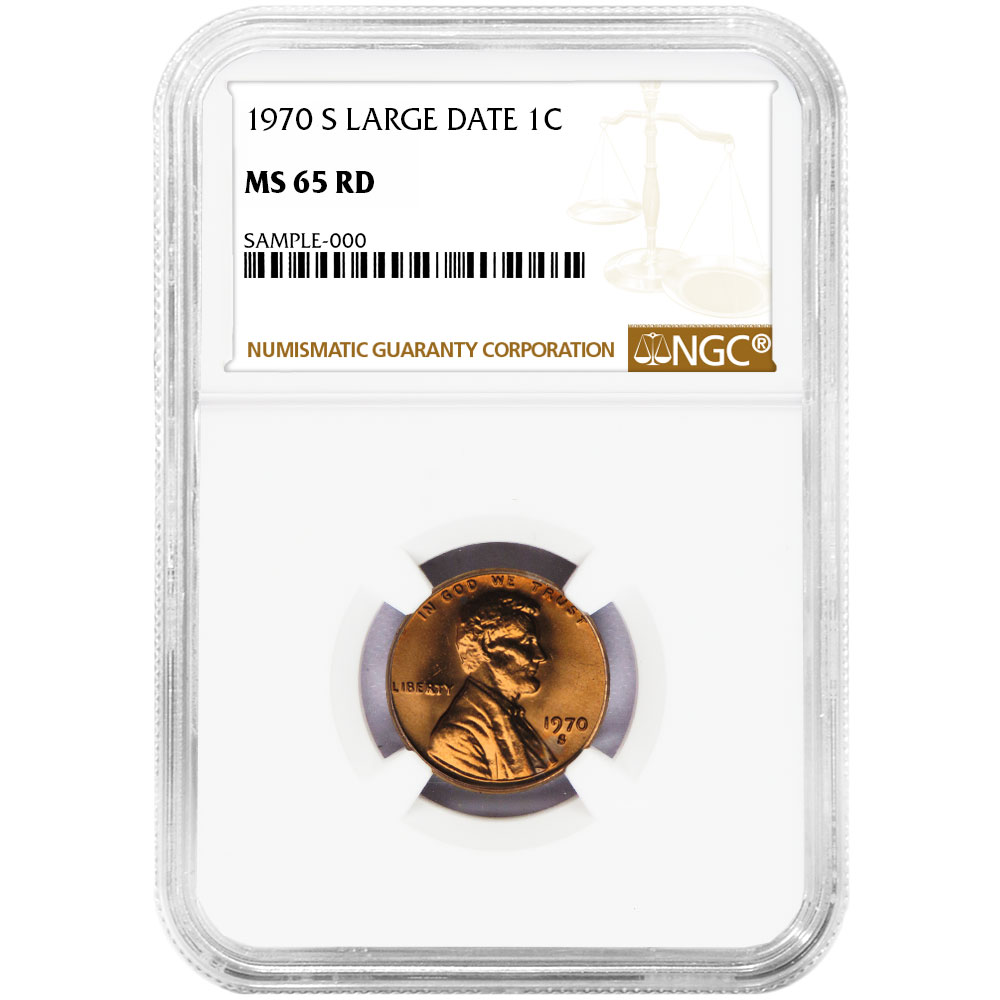
Mint marks are the little letters on the obverse or reverse side of coins that indicate which Mint the coin came from. All coins had mint marks on their reverse side until 1968, when they transitioned to the obverse side of the design. Every circulated US coin has a mint mark, except for a brief but intentional time when they were removed between 1965 and 1967. The government chose to execute this hiatus to discourage any coin collecting or hoarding while rectifying the coin shortage.
Mint marks are more than just interesting tidbits for collectors. Rather, these symbols ensure each mint location is held up to standards and that quality concerns can be quickly sourced and addressed.
What Are Privy Marks?
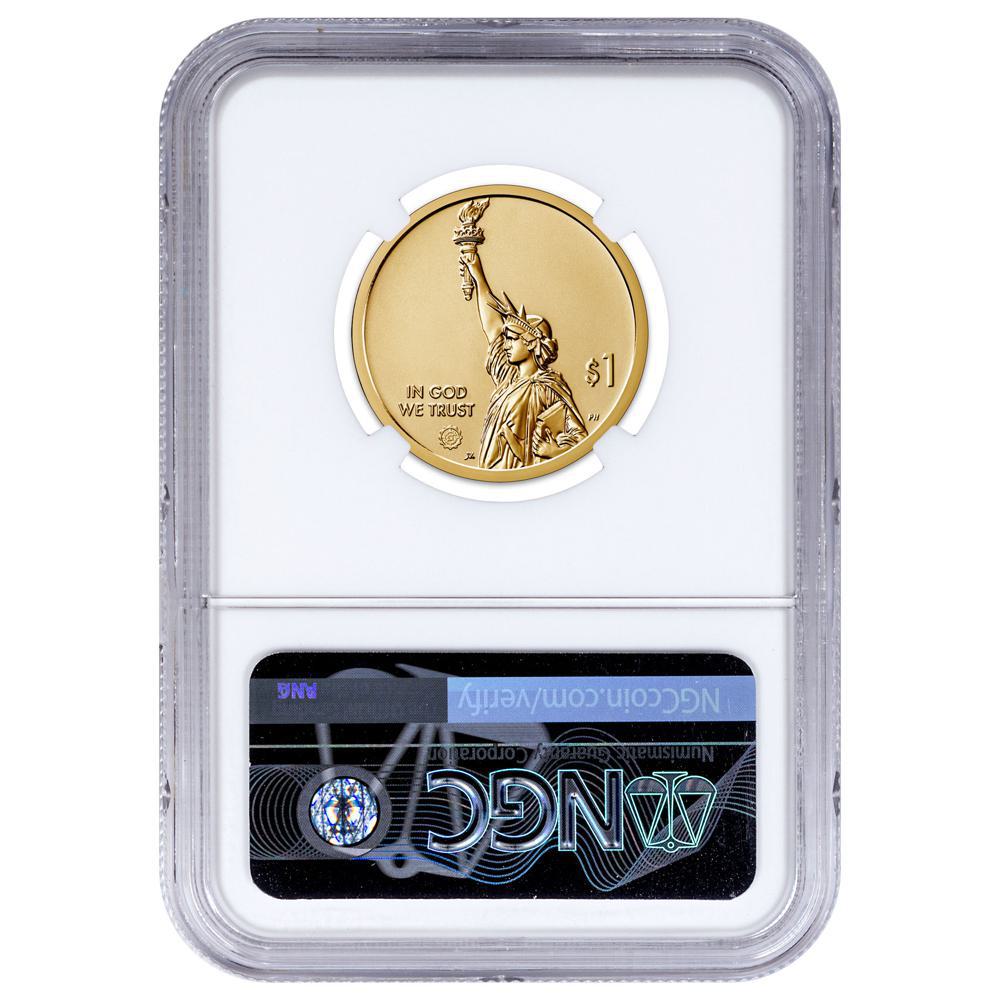
Similar to mint marks, privy marks are equally small symbols incorporated onto coin designs that relay certain minting information. However, this is the extent of their similarities, as the information communicated through privy marks can vary widely and is not tied to mint locations. The US still currently uses privy marks in several coin collections. Additionally, other countries also use their own unique privy marks.
Types of Marks
US Mint marks are always one of four letters to align with the four active mints in the US. The symbols will always be P, D, S, or W. These symbols represent Philadelphia (P), Denver (D), San Fransico (S), or W (West Point).
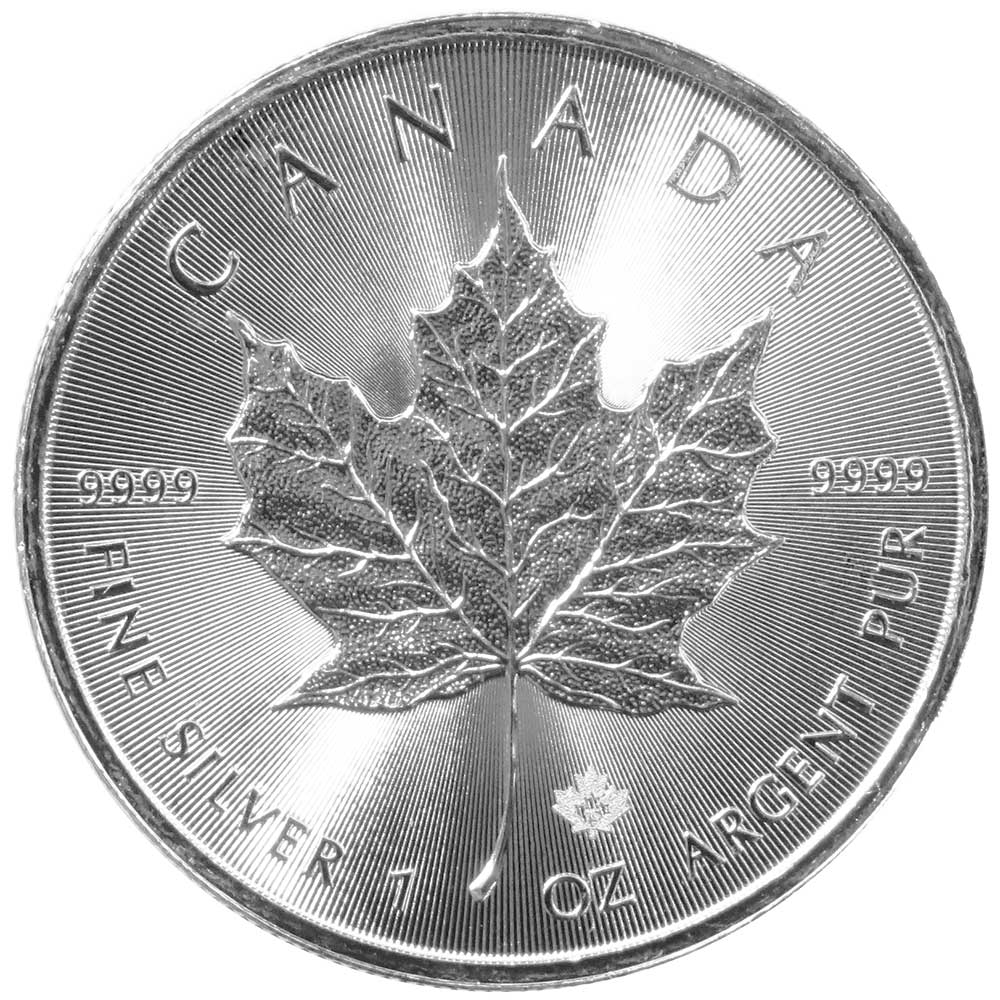
Meanwhile, privy marks can be numbers, symbols, or badges. For example, some American Eagle Platinum coins have a small eagle head privy mark on the reverse side. Meanwhile, the American Innovation $1 Coin Program designs include a detailed gear privy mark beneath the phrase, “In God We Trust”. Internationally, Canada has used the Maple Leaf to mark special edition coins. These markings often carry across the breadth of a collection to unify the designs.
Location of Marks
While either of these marks could be on the obverse or reverse sides, US circulating mint marks are typically located in proximity to the date. On the other hand, privy marks can be located on either side and in any location. Because they are much more varied and unique, there are no uniform location requirements.
Use of Marks
Regarding quality assurance, correctly identifying a coin’s point of origin is important. However, in addition to identification, mint marks help numismatists collect, catalogue, and index various collections. They can help ensure all the proper coins in a series have been acquired. Mint marks can also impact value. The 1909 VDB Lincoln Cent is a prime example. The San Fransico mint version of this coin is more valuable than the Philadelphia version due to its lower mintage rate.
Meanwhile, privy marks are important for security and collectability. Because privy marks are often used on commemorative or non-circulating collections, they add an extra layer of security against fraudulent duplication. These limited-use symbols can also add to the collectability of coins due to their rarity and unique designs.
All Things Numismatics
Whether focusing on micro details like mint marks or broad coinage history like the use of silver through the ages, ModernCoinMart is here to help. With over 20 years of experience and memberships with prestigious entities such as the American Numismatic Association, MCM is here to provide trusted and reliable experiences for collectors of all levels.